
Drug Rehab Facilities In Toronto
Table of Contents
Finding Drug Rehab Facilities in Toronto
Toronto’s fast-paced urban life and ongoing opioid crisis have heightened demand for drug rehab facilities in Toronto, where substance use affects thousands seeking recovery. With growing awareness and reduced stigma in this progressive city, accessible support is vital for those facing addiction challenges.
The landscape offers diverse options, including detox, inpatient, and outpatient programs at alcohol rehab centers in Toronto and drug addiction treatment in Toronto. Evidence-based approaches like trauma-informed therapy and structured aftercare address co-occurring mental health issues through individualized plans, promoting holistic healing at substance abuse recovery centers in Toronto.
Facilities like Freeport Recovery, just a short drive from Toronto in St. Catharines, provide comprehensive addiction treatment programs with virtual options for Greater Toronto Area residents, blending clinical care and wellness for lasting recovery.
This guide explores local options, costs, and steps to start your journey toward hope and wellness in addiction recovery services in Toronto.
Overview of Drug Rehab in Toronto
Toronto residents facing substance use challenges have access to a diverse range of drug rehab facilities in Toronto, blending public and private options to address rising needs in the Greater Toronto Area (GTA). With increasing demands for opioid and alcohol recovery, the city hosts both urban centers and nearby facilities offering comprehensive support. These programs cater to various addictions, emphasizing accessibility for those seeking immediate help amid provincial wait times that can span weeks for government-funded beds.
Toronto’s rehab landscape includes standout facilities like Freeport Recovery in nearby St. Catharines, just a 45-minute drive away, providing evidence-based care without the downtown congestion. Alpha House Toronto offers government-funded residential detox focused on alcohol and drugs, boasting high success rates with over 80% of participants reporting sustained sobriety after 90 days, per their outcomes data. Other GTA addiction support centers integrate mental health services, making them ideal for co-occurring disorders. For alcohol rehab centers in Toronto, options like Alpha House prioritize detox integration, while private programs expand to holistic wellness.
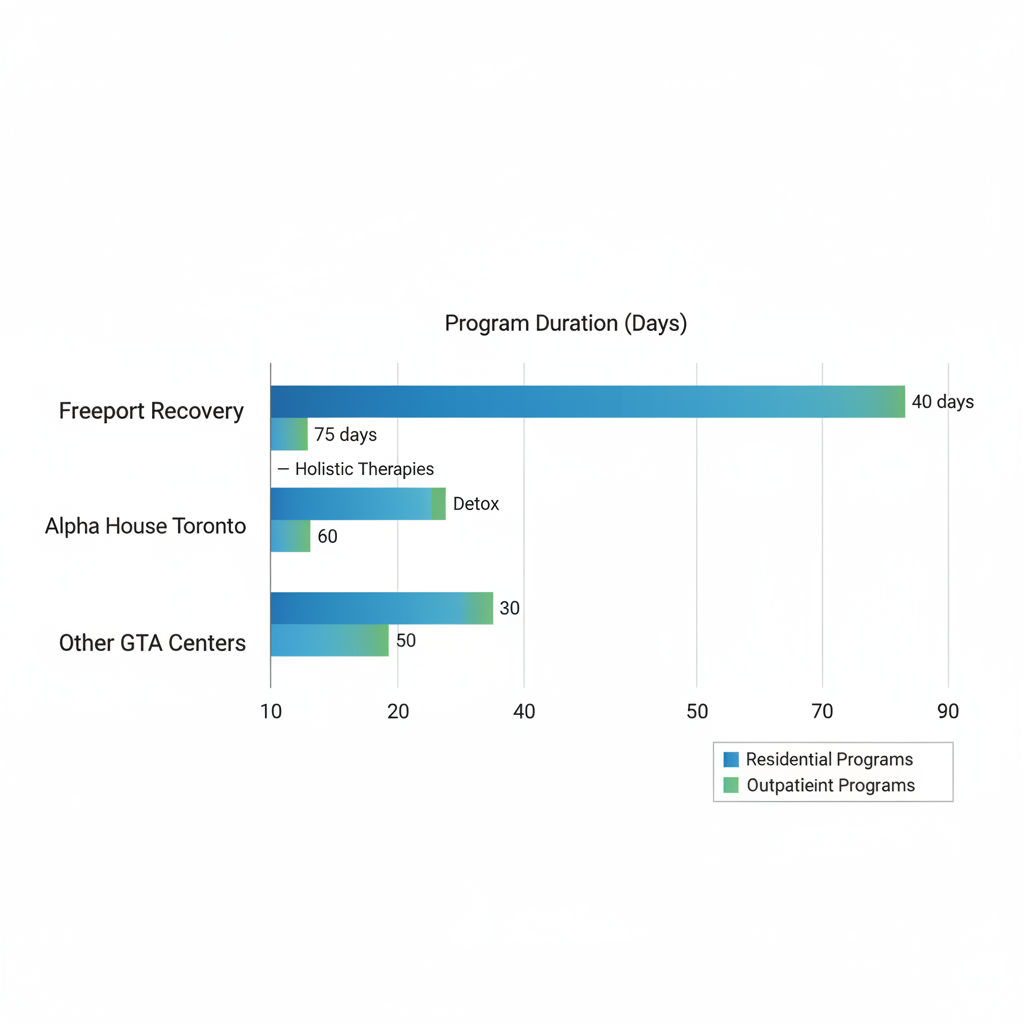
The following table compares key features of leading Toronto-area rehab facilities, including Freeport Recovery, to aid in evaluating options based on location and specialties.
| Facility | Location Proximity to Toronto | Program Types | Duration | Specialties |
|---|---|---|---|---|
| Freeport Recovery | St. Catharines (45-min drive) | Residential, Outpatient, Virtual | 30-90 days residential | Holistic therapies (yoga, martial arts), trauma-informed care |
| Alpha House Toronto | Toronto Downtown | Residential, Detox | Varies, up to 90 days | Government-funded, alcohol/drug focus |
| Other GTA Centers | Various GTA locations | Inpatient, Outpatient | 30-60 days typical | Detox services, mental health integration |
Freeport Recovery stands out with its unique holistic elements, such as yoga and martial arts, contrasting traditional models by fostering mind-body recovery. This approach supports long-term outcomes, especially for Toronto commuters who value virtual outpatient follow-ups. Data from provincial guidelines confirms these programs meet Ontario standards for eligibility and efficacy.
Residential drug addiction treatment in Toronto typically begins with detox, followed by group therapy and wellness activities tailored to individual needs (sometimes referred to as residential addiction treatment). Success stories from GTA centers highlight how structured 30- to 90-day stays build coping skills, reducing relapse risks for opioids and alcohol. For those exploring inpatient options, nearby facilities like Freeport ensure GTA accessibility without long urban travel.
Comparison of drug rehab program durations in Toronto area
These overviews of Toronto substance recovery programs reveal a supportive ecosystem, guiding residents toward personalized care that aligns with their recovery journey and leads naturally into details on available services.
Service Availability in Toronto Rehabs
Drug rehab facilities in Toronto offer a comprehensive array of services tailored to support individuals seeking recovery from substance use disorders. These centers provide essential options like medically supervised detox, residential inpatient programs, and flexible outpatient treatments, ensuring accessibility for residents across the Greater Toronto Area. Facilities emphasize evidence-based approaches, integrating therapy, medical care, and holistic wellness to address both immediate needs and long-term sobriety.
Detox services in Toronto rehabs are a critical first step, featuring medically supervised processes to manage withdrawal safely. Inpatient programs offer intensive residential care, typically lasting 30 to 90 days, where clients reside on-site for structured daily routines including individual counseling, group sessions, and family involvement. For instance, centers like Freeport Recovery, accessible to Toronto clients through residential stays or virtual options, incorporate unique elements such as martial arts therapy to enhance engagement and emotional regulation. These programs also address co-occurring mental health disorders, providing psychiatric support alongside addiction treatment to promote holistic healing.
Outpatient and virtual formats provide flexibility for working professionals or commuters in Toronto, allowing participation without full-time residency. These local addiction therapy options include weekly therapy sessions and ongoing monitoring, making Toronto detox and recovery services more approachable for those balancing daily responsibilities.
Specialized programs target specific addictions, such as opioid addiction treatment and alcohol rehab centers in Toronto. Alcohol detox facilities focus on managing severe withdrawal symptoms with medical oversight, while opioid programs incorporate medication-assisted treatment for sustained recovery. Aftercare plans, including alumni networks and relapse prevention, ensure continued support, with comprehensive packages offering strong value despite varying costs in Ontario.
Local Considerations for Toronto Rehab
Choosing drug rehab facilities in Toronto requires understanding local costs, funding, and selection strategies to ensure accessible recovery. Toronto residents face unique challenges in navigating Ontario’s healthcare system, but options range from private programs to government-supported care, making affordable recovery in Toronto possible for many.
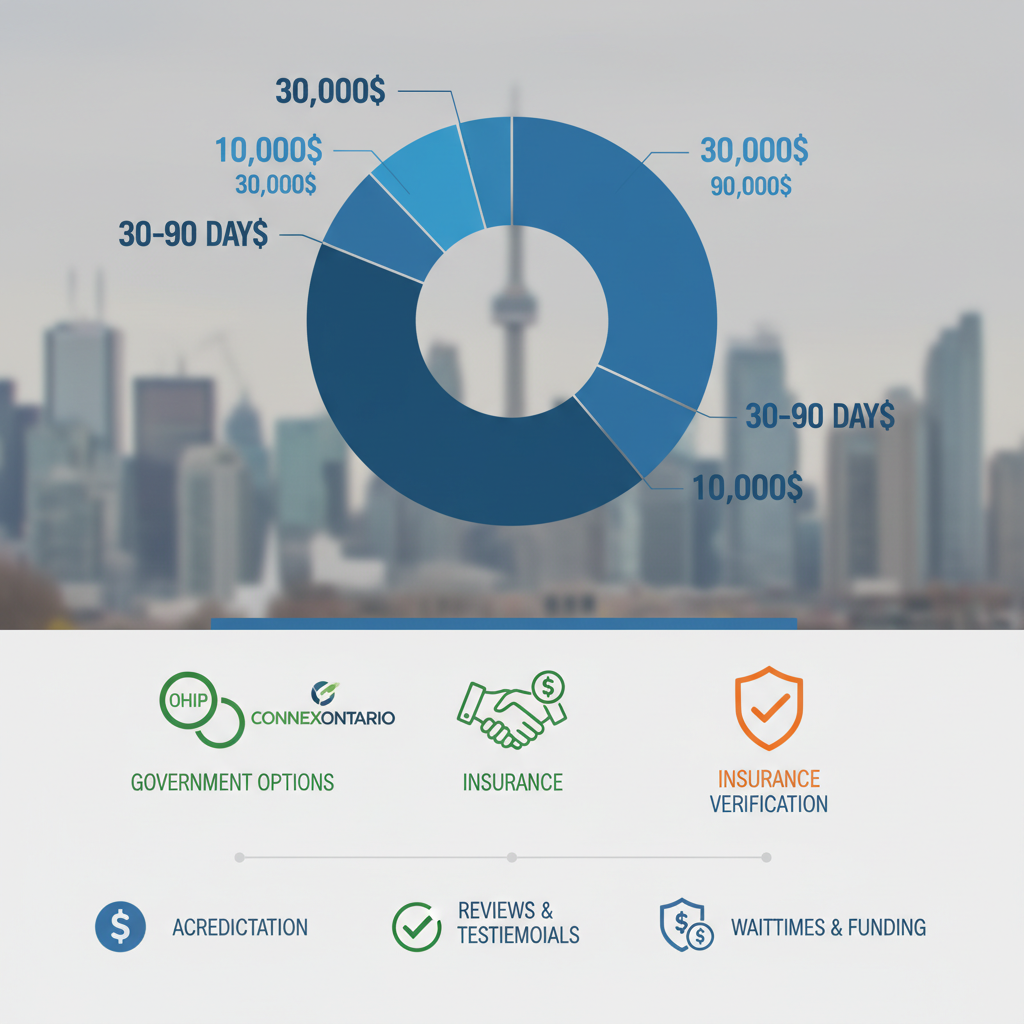
Private rehab costs in Toronto typically range from $10,000 to $30,000 for 30- to 90-day stays, covering alcohol rehab centers in Toronto or broader drug addiction treatment in Toronto. However, funded treatment options in Toronto exist through OHIP, which may cover portions for eligible residents, and free services via ConnexOntario for immediate assessments. Insurance verification is key–many plans offset expenses–and facilities like Freeport Recovery offer flexible financing to ease burdens. For government-funded paths, eligibility focuses on medical necessity, with wait times varying by urgency.
Toronto rehab costs, funding, and selection tips infographic
Selecting the right program involves checking accreditation from bodies like the Canadian Accredited Counsellors and reviews on platforms like Google. Prioritize trauma-informed care, especially for prescription drug addiction recovery, to address co-occurring issues. Toronto’s waitlists for public beds can stretch months, so private options provide faster access. Pros of funded programs: low cost; cons: limited spots. Private pros: quicker entry, holistic approaches; cons: higher upfront fees.
Contact Freeport Recovery at (289) 273-2485 for a confidential assessment tailored to Toronto-area needs, bridging local barriers to effective treatment.
Getting Started with Toronto Rehab
Embarking on recovery is a courageous first step, especially when exploring drug rehab facilities in Toronto. For those seeking alcohol rehab centers in Toronto or comprehensive drug addiction treatment in Toronto, nearby options like Freeport Recovery in St. Catharines offer accessible, confidential support tailored to local needs. Starting recovery in Toronto begins with simple actions to connect with admissions for Toronto rehabs.
Follow these steps to initiate care:
- Contact Admissions for a Free Assessment (60 words): Reach out to specialists at facilities like Freeport Recovery by calling 289-273-2485. They provide a no-obligation, confidential evaluation to discuss your situation, including specific addictions such as cocaine or cannabis. Under PHIPA guidelines, your privacy is protected, ensuring a safe space to share details about your needs and goals.
- Complete Intake and Verification (55 words): Expect a thorough review of your medical history and any detox requirements during intake. Admissions teams verify insurance coverage quickly or outline private pay and financing options. This process matches you to appropriate programs, like alcohol addiction treatment, addressing co-occurring issues without delay.
- Handle Logistics and Begin Treatment (60 words): From Toronto, travel to nearby centers is straightforward–a short drive or transit to St. Catharines. Programs are customized for rapid entry, often within days, allowing you to focus on healing. With evidence-based therapies and holistic support, you’ll build a strong foundation for lasting sobriety, empowering your journey forward.
Beginning Your Recovery Journey in Toronto
Toronto offers a robust network of drug rehab facilities in Toronto, including funded and private options for residential and virtual care. From alcohol rehab centers in Toronto to cannabis addiction rehab and comprehensive drug addiction treatment in Toronto, these Toronto recovery pathways provide evidence-based holistic approaches that address mind, body, and spirit for lasting results. Local addiction support eases stigma through confidential assessments, making it simple to begin.
Embrace the hope of sustained recovery with programs emphasizing trauma-informed care and aftercare networks. High success rates in Ontario’s mental health services reinforce the transformative power of these steps. Overcoming challenges starts with one call–reach out to specialists today for personalized guidance on your path forward.