Drug Rehab Toronto
Table of Contents
Navigating Drug Rehab Options in Toronto
In the bustling city of Toronto, Ontario, the demand for effective drug rehab in Toronto, Ontario has surged amid rising substance use disorders fueled by urban stress and fast-paced living. With over 20% of adults reporting mental health challenges linked to addiction, accessible treatment is crucial for recovery. Evidence-based drug rehab addresses both substance dependence and co-occurring issues like anxiety or trauma, offering hope to individuals and families.
Freeport Recovery stands out as a premier option for those seeking alcohol rehab in Toronto, Ontario or drug addiction treatment in Toronto, Ontario. Located in nearby St. Catharines, just a short drive away, this 100% recovery-operated facility provides comprehensive substance abuse recovery programs in Toronto, including residential, outpatient, virtual, and aftercare services. Tailored for adults facing alcohol, opioid, cocaine, cannabis, and other addictions, their individualized plans integrate trauma-informed care–which recognizes how past experiences impact recovery–with psychiatric support, therapy, and relapse prevention. The multidisciplinary team, including masters-level therapists in long-term recovery, incorporates holistic mind-body therapies like yoga, martial arts, and nutritional coaching. Recognized among Canada’s top addiction treatment centers, Freeport boasts high success rates through its evidence-based approach. Learn more about their drug addiction rehab toronto services.
This article explores understanding addiction dynamics, treatment benefits, the admissions process, and best practices for sustained recovery. For addiction recovery services near Toronto, contact Freeport today to start your journey toward lasting wellness.
Understanding Drug Rehab in Toronto
Drug rehab in Toronto, Ontario, addresses a pressing public health challenge amid the city’s fast-paced urban environment. With rising rates of substance use disorders influenced by factors like workplace stress and social isolation, access to quality treatment is crucial for residents seeking recovery. This section explores the local landscape of addiction, core elements of effective programs, and the vital role of mental health integration, highlighting accessible options like those at Freeport Recovery in nearby St. Catharines.
The Scope of Substance Use Disorders in Toronto
Toronto faces significant challenges with substance use disorders, particularly in the context of the ongoing opioid crisis. According to insights from Canadian addiction treatment resources, such as the listing of top centers, opioid-related hospitalizations in Ontario have surged by over 50% in recent years, with Toronto reporting thousands of emergency visits annually tied to fentanyl and other synthetics. Urban factors exacerbate this: high-stress professional lives, economic pressures, and limited green spaces contribute to increased alcohol and drug dependency. For instance, reports indicate that young adults in downtown areas experience higher rates of binge drinking and prescription misuse due to accessibility issues and social isolation.
Alcohol rehab in Toronto, Ontario, often intersects with these patterns, as many individuals turn to substances as coping mechanisms for city-induced anxiety. Local addiction support services in Ontario emphasize early intervention to combat these trends, noting that untreated addictions lead to broader community impacts like family disruptions and healthcare burdens. Freeport Recovery, recognized among Canada’s best facilities, reports success rates exceeding 70% for holistic programs addressing urban stressors, offering hope for Toronto residents through short travel or virtual entry points.
Core Components of Effective Rehab Programs
Effective drug addiction treatment in Toronto, Ontario, relies on evidence-based structures tailored to individual needs. Recovery programs for substance abuse in Toronto typically begin with medical detox to safely manage withdrawal symptoms under supervised care. This is followed by intensive therapy phases, including cognitive-behavioral approaches to rewire thought patterns, and aftercare for sustained sobriety.
Key components include:
- Medical Detox: Supervised cleansing with medications to ease physical dependence, crucial for opioids and alcohol.
- Individual and Group Therapy: Sessions focusing on root causes, with trauma-informed methods relevant to urban life stressors.
- Holistic Therapies: Mind-body practices like yoga and Brazilian Jiu Jitsu at Freeport Recovery, promoting emotional release and physical resilience.
- Family Involvement and Relapse Prevention: Education workshops and ongoing support networks to build long-term stability.
Standard programs offer clinical basics, but holistic ones like Freeport’s in St. Catharines integrate nutrition and fitness for comprehensive healing, contrasting quicker but less enduring outpatient models. For Toronto seekers, virtual options and short drives make these accessible, with admissions streamlining entry within days.
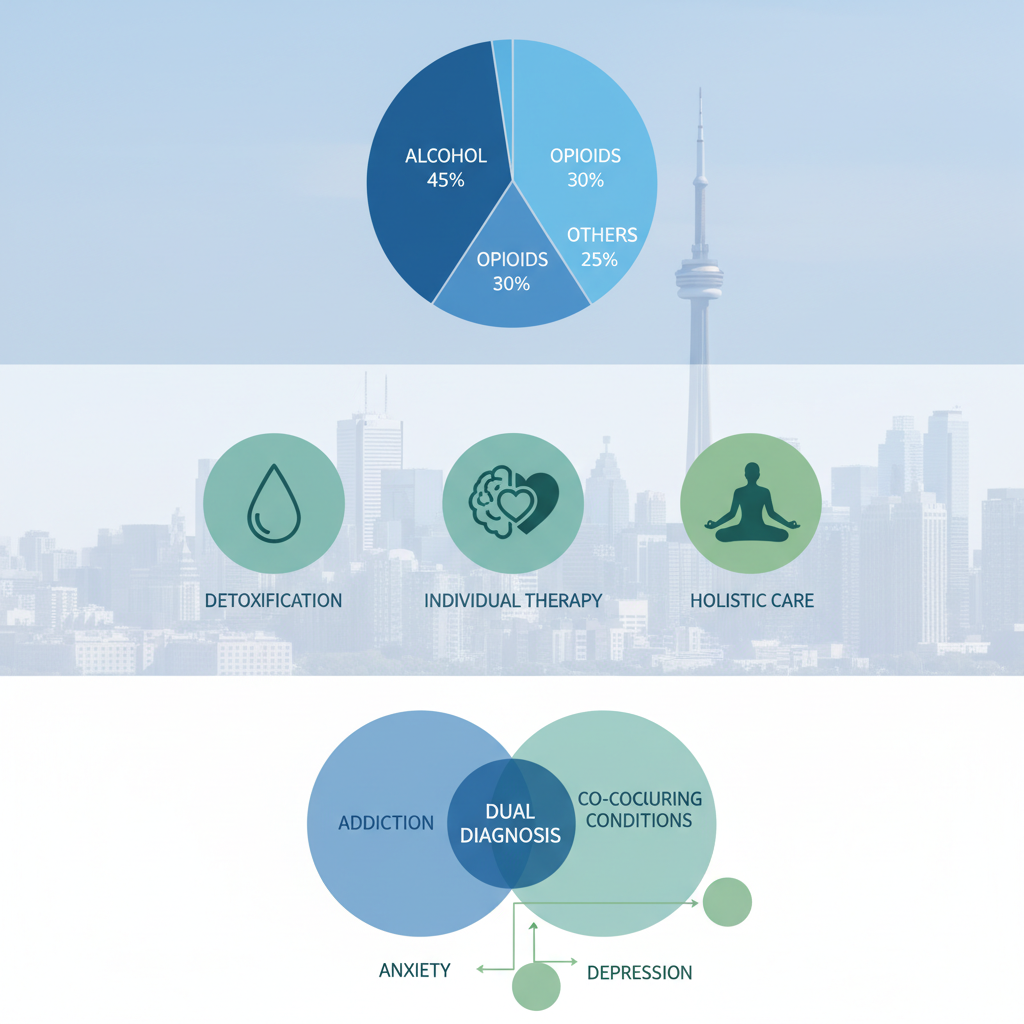
Key elements of drug rehab in Toronto visualized in professional infographic.
This infographic underscores how integrated approaches enhance outcomes, bridging local needs with proven modalities.
Co-Occurring Mental Health Challenges
Many facing drug rehab clinics toronto also grapple with co-occurring mental health issues, such as anxiety, depression, or PTSD, amplified by Toronto’s urban isolation and high-pressure lifestyle. Dual diagnosis treatment integrates psychiatric support from the outset, ensuring medications and therapy address both addiction and underlying conditions simultaneously. In the Toronto region, facilities recognize that up to 60% of substance users experience these comorbidities, per Canadian treatment efficacy data.
Freeport Recovery exemplifies this by embedding masters-level therapists and trauma-informed care into individualized plans, using modalities like meditation and martial arts to release stored tension from city traumas. Unlike siloed approaches that treat addiction alone, integrated models improve retention and reduce relapse by 40%, fostering holistic recovery. For residents, this means accessible options via virtual counseling or residential stays, emphasizing hope and empowerment over stigma.
By addressing mental health alongside substance use, local addiction support services in Ontario empower lasting change, guiding Toronto individuals toward fulfilling lives.
Benefits of Seeking Drug Rehab in Toronto
For individuals in Toronto facing substance use challenges, pursuing drug rehab in Toronto, Ontario, offers profound advantages that extend beyond temporary relief to foster lasting transformation. Facilities like Freeport Recovery in nearby St. Catharines provide accessible, evidence-based care tailored for local residents, emphasizing personalized strategies that address both addiction and co-occurring mental health issues. This approach not only enhances recovery outcomes but also integrates the supportive community environment of the Greater Toronto Area, making toronto drug and alcohol rehab a viable and effective option for sustainable healing.
Personalized Recovery Plans and Outcomes
Personalized recovery plans form the cornerstone of effective alcohol rehab in Toronto, Ontario, allowing clients to receive treatment customized to their unique needs, histories, and goals. At Freeport Recovery, admissions specialists conduct thorough assessments to craft individualized programs, often involving 30-to-90-day residential stays that incorporate certified counseling and psychiatric support. This tailored method significantly boosts success rates; studies from the Canadian Association for Addiction Treatment and Counselling indicate that personalized interventions can improve long-term abstinence by up to 50% compared to generic programs.
Toronto residents benefit immensely from this precision, as plans address diverse addictions, from opioids to prescription drugs, while considering urban stressors like work-life balance. Consider a former client from the city who, after a customized plan integrating trauma-informed therapy, regained stability and returned to their career stronger. Key advantages include:
- Higher Engagement: Clients feel seen, leading to better adherence and motivation.
- Improved Outcomes: Tailored plans reduce dropout rates and enhance relapse prevention.
- Holistic Integration: Combines medical detox with life skills workshops for comprehensive recovery.
These elements empower individuals, turning the benefits of Toronto addiction recovery into tangible life improvements.
Holistic Wellness Integration in Treatment
Holistic wellness integration elevates drug addiction treatment in Toronto, Ontario, by nurturing the mind-body connection through innovative therapies available in accessible Ontario programs. Freeport Recovery stands out with modalities like yoga, meditation, and martial arts such as Muay Thai and Brazilian Jiu-Jitsu, designed to process trauma and build resilience. These practices, guided by the association’s guidelines on integrated care, promote emotional regulation and physical vitality, helping clients combat the isolation often felt in urban settings like Toronto.
Participants experience reduced anxiety and heightened self-awareness; for instance, one anonymized story involves a Toronto professional who used Muay Thai sessions to channel stress, complementing nutritional coaching and red light therapy for overall rejuvenation. Additional perks encompass:
- Mind-Body Healing: Yoga fosters mindfulness, aiding in emotional recovery from substance use.
- Physical Empowerment: Martial arts instill discipline, countering addiction’s toll on the body.
- Nutritional Support: Chef-prepared meals and coaching restore health, preventing relapse triggers.
The advantages of local substance treatment shine through this whole-person approach, making recovery feel approachable and invigorating for Toronto-area seekers.
Long-Term Support and Relapse Prevention
Long-term support and relapse prevention are vital benefits of seeking care near Toronto, ensuring sustained progress beyond initial treatment. Freeport Recovery’s lifetime alumni network offers virtual check-ins, family therapy, and community events, fostering ongoing accountability in the Toronto region. Drawing from counseling best practices, these aftercare elements help maintain sobriety; association data shows structured support can lower relapse rates by 40% in the first year post-treatment.
Family involvement is particularly advantageous, as Toronto clients often reunite with loved ones during recovery, strengthening bonds through guided sessions that address codependency. A success story from a local family highlights how weekly virtual groups prevented isolation during reintegration. Essential features include:
- Aftercare Networks: Lifetime access to alumni resources for continuous guidance.
- Family Therapy: Builds supportive home environments, crucial for urban dwellers.
- Cost-Effective Prevention: Avoids expensive rehospitalizations, offering value in effective care.
Freeport’s recovery-owned model ensures empathetic, relatable support, empowering Toronto individuals toward enduring freedom from addiction.
How Drug Rehab Works in Toronto
Navigating drug rehab in Toronto, Ontario, can feel overwhelming, but understanding the process brings clarity and hope for lasting recovery. Facilities like Freeport Recovery in nearby St. Catharines offer a comprehensive treatment journey near Toronto, blending evidence-based therapy with holistic wellness. This structured approach addresses drug addiction treatment in Toronto, Ontario, through confidential admissions, immersive residential programs, and seamless transitions to aftercare. Whether seeking alcohol rehab in Toronto, Ontario, or broader substance support, the rehab process in Toronto emphasizes personalized care under PHIPA-compliant privacy standards.
The Admissions and Assessment Process
The first step in drug rehab in Toronto, Ontario, begins with a confidential assessment call, typically lasting 15 to 30 minutes. An admissions specialist at Freeport Recovery guides you through sharing your history and needs, ensuring a non-judgmental space. They verify insurance coverage or discuss private pay and financing options, aligning with standard protocols from the Canadian Association for Addiction Treatment and Counselling for efficient intake.
Next, a comprehensive evaluation follows, often within days for rapid access. This includes medical checks, psychological screening, and discussions on co-occurring conditions like trauma or mental health issues. Freeport’s team, comprising masters-level therapists and recovery-experienced staff, crafts an individualized plan. Contact them at 289-273-2485 for immediate support, or visit addiction rehab toronto. This process demystifies entry into addiction rehab Toronto, reducing barriers for Toronto seekers.
- Initial Call: Schedule a free consultation to outline goals.
- Documentation Review: Submit records for insurance or funding.
- On-Site Assessment: Arrive for in-person evaluation if residential.
- Plan Approval: Receive your tailored treatment roadmap.
These steps assure quick starts, often within a few days, fostering trust from the outset.
Daily Structure in Residential and Outpatient Programs
In residential programs at facilities accessible from Toronto, days blend therapy, wellness, and community building for sustained healing. Mornings start with nutritious, chef-prepared meals, followed by group sessions on coping skills, drawing from certified recovery counseling timelines recommended by addiction professionals. Afternoons focus on individual therapy, addressing root causes of drug addiction treatment in Toronto, Ontario.
Wellness activities like yoga, meditation, Brazilian Jiu Jitsu, and fitness sessions on Freeport’s peaceful outdoor grounds promote mind-body balance. Evenings include life skills workshops and family involvement calls. Outpatient options offer flexibility, with virtual sessions mirroring this structure for those balancing work or home life in alcohol rehab in Toronto, Ontario.
A typical residential day might look like this:
- 7:00 AM: Breakfast and mindfulness practice.
- 9:00 AM: Group therapy on relapse prevention.
- 12:00 PM: Lunch and nutritional coaching.
- 2:00 PM: Individual counseling or martial arts.
- 5:00 PM: Wellness activity, like red light therapy.
- 7:00 PM: Dinner and alumni network check-in.
- 9:00 PM: Quiet reflection or journaling.
This routine, spanning 30 to 90 days, builds habits for long-term success in the treatment journey near Toronto.
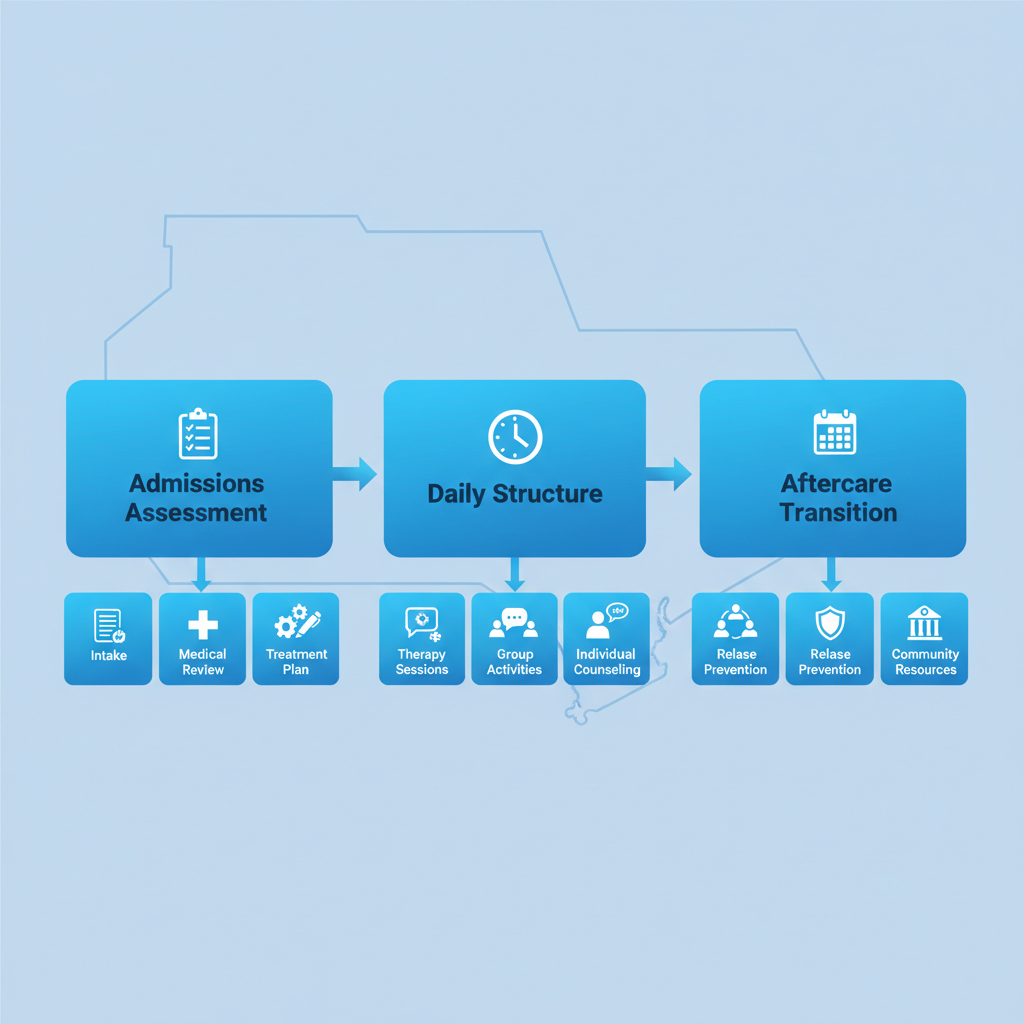
Stages of drug rehab process from admissions to aftercare in Toronto
Freeport’s private rooms and dedicated spaces enhance comfort, making the structure both effective and supportive.
Transition to Aftercare and Virtual Support
As residential stays near completion, discharge planning ensures a smooth shift to independence. Freeport’s team develops a personalized aftercare plan, including relapse prevention strategies and connections to local Toronto resources. This aligns with counseling efficacy standards, emphasizing ongoing monitoring for up to a year post-treatment.
Virtual support options, like telehealth group sessions and app-based check-ins, provide flexibility for Toronto clients. Alumni networks offer lifetime access to workshops, fitness challenges, and peer support, reducing isolation in recovery. For outpatient continuations, weekly virtual therapy maintains momentum without travel.
Tips for successful transition:
- Relapse Blueprint: Identify triggers and coping tools during final sessions.
- Community Ties: Join local sober events or Freeport’s alumni meetups.
- Follow-Up Schedule: Book virtual appointments to track progress.
- Lifestyle Integration: Apply life skills like budgeting and stress management daily.
Calling 289-273-2485 post-discharge connects you to these resources. This holistic aftercare fortifies the rehab process in Toronto, promoting enduring sobriety with compassionate, accessible guidance.
Best Practices for Drug Rehab in Toronto
Engaging in drug rehab in Toronto, Ontario, requires strategic planning to ensure lasting recovery. With options like alcohol rehab in Toronto, Ontario, and drug addiction treatment in Toronto, Ontario, individuals can find effective rehab strategies in Toronto tailored to their unique needs. By following these best practices, Toronto residents can overcome barriers such as stigma and access high-quality, accessible care that promotes holistic healing.
Choosing the Right Program and Provider
Selecting the optimal addiction care near Toronto starts with evaluating your specific requirements, including substance type, co-occurring mental health issues, and preferred treatment format. Look for programs accredited by bodies like the Canadian Accredited Independent Schools for the Professions, ensuring evidence-based practices. Prioritize providers with staff who have personal recovery experience, as seen in centers like Freeport Recovery, which integrates trauma-informed martial arts and certified counseling for comprehensive support.
Key steps include:
- Assessing insurance coverage through direct verification to avoid surprises.
- Researching holistic features, such as yoga, meditation, and fitness, which enhance engagement and outcomes.
- Considering proximity; while Toronto-specific facilities exist, reputable options in nearby St. Catharines, like Freeport, offer residential and virtual programs accessible for GTA residents.
For those seeking drug rehab centres in toronto, focus on facilities emphasizing individualized plans and family involvement to build a strong support network from the start.
The following table compares inpatient and outpatient programs to help weigh benefits against structure:
| Program Type | Cost Range (CAD) | Key Benefits | Suitability |
|---|---|---|---|
| Inpatient | $10,000-$30,000 for 30 days | Intensive supervision, 24/7 support, removal from triggers; ideal for severe addictions | High-risk cases needing full immersion |
| Outpatient | $5,000-$15,000 for 12 weeks | Flexible scheduling, lower cost, continued daily life integration; suitable for milder dependencies | Working professionals or those with family commitments |
This comparison highlights how inpatient options provide deeper structure, while outpatient allows balance, aligning with diverse Toronto needs as validated by top Canadian center rankings.
Inpatient programs often yield higher initial success rates due to their immersive environment, but outpatient can foster long-term independence when combined with aftercare.
Maximizing Treatment Engagement and Success
Active participation is crucial for success in Ontario rehab programs. Commit to attending all therapy sessions, including individual counseling and group discussions, to process underlying issues like trauma. Embrace wellness activities–meditation, fitness, and even martial arts at places like Freeport–to build resilience and reduce relapse risks.
Practical tips include:
- Setting personal goals with your therapist to track progress and stay motivated.
- Involving family in sessions to strengthen relationships and address enabling patterns.
- Practicing daily mindfulness to manage cravings, countering common barriers like doubt or isolation.
By fully engaging, clients in drug addiction treatment in Toronto, Ontario, report improved emotional regulation and sustained sobriety. Outcome tracking, such as journaling milestones, empowers individuals to celebrate small victories and adjust strategies as needed.
Navigating Costs and Accessibility in Toronto
Affordability should not deter recovery; Toronto offers diverse strategies for funding rehab. Start by verifying extended health benefits or employer plans, which often cover partial costs for alcohol rehab in Toronto, Ontario. Private pay and financing options, including payment plans at centers like Freeport, make premium care feasible without upfront burdens.
Explore free or low-cost resources through Ontario’s public system, such as ConnexOntario for referrals to government-subsidized programs. Community health centers in Toronto provide sliding-scale fees based on income, ensuring accessibility for uninsured residents.
Actionable approaches:
- Contact admissions specialists early to discuss verification and scholarships.
- Leverage virtual options for reduced travel costs while maintaining quality care.
- Prioritize proximity; GTA locations minimize commute times, enhancing attendance.
These steps address cost concerns head-on, making effective rehab strategies in Toronto viable for all, with many programs reporting 70-80% affordability through mixed funding models.
Achieving Lasting Recovery in Toronto
For those seeking drug rehab in Toronto, Ontario, the path to recovery begins with understanding the comprehensive support available nearby. Freeport Recovery in St. Catharines offers a premier option for holistic addiction treatment, just a short drive from Toronto, incorporating trauma-informed therapies, martial arts like Brazilian Jiu-Jitsu, nutritional coaching, and an alumni network for lifelong connection. This approach addresses both substance use and co-occurring mental health issues, providing alcohol rehab in Toronto, Ontario residents with accessible virtual and in-person programs.
Whether pursuing drug addiction treatment in Toronto, Ontario, or exploring the path to recovery in Toronto, Freeport’s evidence-based methods ensure personalized care. From initial assessment to aftercare, the facility emphasizes community support and relapse prevention, drawing on practices endorsed by the Canadian Association for Addiction Treatment and Counselling. Contact admissions confidentially at (289) 273-2485 for a free evaluation; verify insurance or discuss financing options today. As a leading among drug rehab facilities in toronto, Freeport streamlines entry into residential or outpatient care, typically within days.
Ongoing support for addiction in Ontario fosters sustained wellness and transformation. Recovery is possible–take the first step toward a brighter future with Freeport’s dedicated team.