Drug Rehab Centres Toronto
Table of Contents
Finding Effective Drug Rehab Centres in Toronto
In the vibrant city of Toronto, Ontario, the demand for quality drug rehab centres in Toronto has surged amid ongoing opioid and alcohol crises affecting thousands of residents. Substance use disorders impact over 20% of Ontarians, according to Recovery.com Ontario Resources, underscoring the urgent need for accessible substance abuse recovery facilities in Toronto, Ontario. For those seeking help, effective options like drug addiction rehab centres toronto provide evidence-based support, including drug addiction rehab centres toronto, which offers comprehensive care accessible from the Greater Toronto Area.
Key services at these addiction treatment programs near Toronto encompass drug detox in Toronto to safely manage withdrawal, residential treatment for immersive recovery, and alcohol rehab in Toronto addressing co-occurring issues through dual diagnosis support, which treats both addiction and underlying mental health conditions simultaneously. Facilities like Freeport Recovery in nearby St. Catharines ensure quick admissions via phone at (289) 273-2485, with PHIPA-compliant confidentiality protecting personal information throughout the process. Regional recovery rates, bolstered by such holistic approaches, highlight the potential for long-term success.
This guide explores understanding addiction’s roots, the benefits of tailored rehab, the intake and treatment processes, and best practices for selecting the right centre, empowering you to make informed choices for lasting recovery.
Understanding Drug Addiction in Toronto
Drug addiction in Toronto represents a significant public health challenge, affecting individuals across diverse communities in this bustling urban center. As the largest city in Canada, Toronto sees high rates of substance use due to factors like economic pressures and urban stress. Seeking help through drug addiction rehab toronto options can be crucial, with many residents turning to local or nearby facilities for support. Understanding the nature of addiction here is the first step toward recovery, addressing needs like those met by drug rehab centres in Toronto.
Common Types of Substance Use Disorders
Substance use disorders in Toronto often begin with experimentation but can progress to dependence, characterized by compulsive use despite harmful consequences. Stages include tolerance, withdrawal, and loss of control, driven by changes in brain chemistry. Prevalent types include opioid addiction, fueled by prescription painkillers and illicit fentanyl; alcohol use disorder, the most common, impacting daily functioning; and stimulant addictions like cocaine or methamphetamine, which heighten risks in nightlife districts.
Local statistics from Ontario Mental Health Services highlight opioids as a leading concern, with over 1,500 overdose deaths in the Greater Toronto Area in recent years. Alcohol-related disorders strain emergency services, while stimulants contribute to mental health crises. For initial recovery, drug detox in Toronto programs provide medically supervised withdrawal management, essential for safe stabilization before further treatment. Addressing these through evidence-based alcohol rehab in Toronto ensures tailored interventions, reducing relapse risks and promoting long-term sobriety.
Impact on Toronto Communities
Drug addiction ripples through Toronto’s vibrant neighborhoods, exacerbating social and health challenges for residents. Families experience strain from financial instability and emotional turmoil, with children often entering foster care amid parental substance issues. Healthcare systems face burdens from increased emergency visits and hospital stays, particularly in underserved areas like downtown eastside communities.
Urban barriers, such as long wait times for public detox services–sometimes up to weeks, per Ontario Mental Health Services data–hinder timely access for low-income individuals. Homelessness rates rise, intertwined with addiction, amplifying vulnerability to violence and disease. Yet, community resilience shines through substance recovery programs in Toronto, Ontario, which foster peer support and reduce stigma. These effects underscore the need for compassionate, accessible addiction support services near Toronto to rebuild lives and strengthen social fabrics.
Role of Dual Diagnosis Treatment
Dual diagnosis treatment addresses the interplay between substance use disorders and co-occurring mental health conditions, such as anxiety or depression, which affect up to 50% of those seeking help in Toronto. Integrated care treats both simultaneously, preventing cycles where one condition exacerbates the other. In this urban setting, stressors like job loss or isolation often trigger these comorbidities, necessitating holistic approaches.
Toronto-specific options include outpatient counseling and virtual programs from nearby centers, offering flexibility for working professionals. Recovery.com Co-Occurring Disorders emphasizes that integrated therapies improve outcomes by 30-50%, validating comprehensive plans with therapy, medication, and lifestyle support like martial arts for stress relief. Facilities providing drug addiction rehab toronto link clients to trauma-informed care, including family involvement and relapse prevention, ensuring sustainable recovery amid city demands.
Benefits of Drug Rehab in Toronto
Enrolling in drug rehab centres in Toronto offers transformative advantages for individuals seeking recovery from substance use disorders. These programs emphasize holistic, evidence-based care that addresses the whole person, leading to improved physical, mental, and emotional well-being. Facilities like Freeport Recovery provide accessible options for Toronto residents, blending clinical rigor with wellness modalities to foster lasting change.
Holistic Wellness Advantages
Holistic wellness in rehab programs integrates mind-body therapies to promote comprehensive healing. Participants benefit from yoga and meditation sessions that reduce stress and enhance mindfulness, helping to break cycles of addiction. Martial arts, such as Brazilian Jiu Jitsu, build resilience and self-discipline while improving physical fitness. Nutritional coaching supports detox by replenishing the body with balanced meals, aiding in sustained energy and mood stability.
Key benefits include:
- Physical recovery: Detox and fitness routines restore health, countering the toll of substance abuse.
- Mental clarity: Therapies alleviate anxiety, promoting emotional balance.
- Pros over traditional methods: Unlike conventional approaches focusing solely on medication, holistic options like these prevent relapse by addressing root causes, with studies showing up to 40% higher retention rates.
For Toronto residents, these addiction wellness programs in Ontario, including virtual sessions from St. Catharines, make premium care convenient without long commutes. Imagine a local professional rediscovering vitality through yoga, ready to thrive in daily life. Contact (289) 273-2485 for a confidential assessment to start this journey.
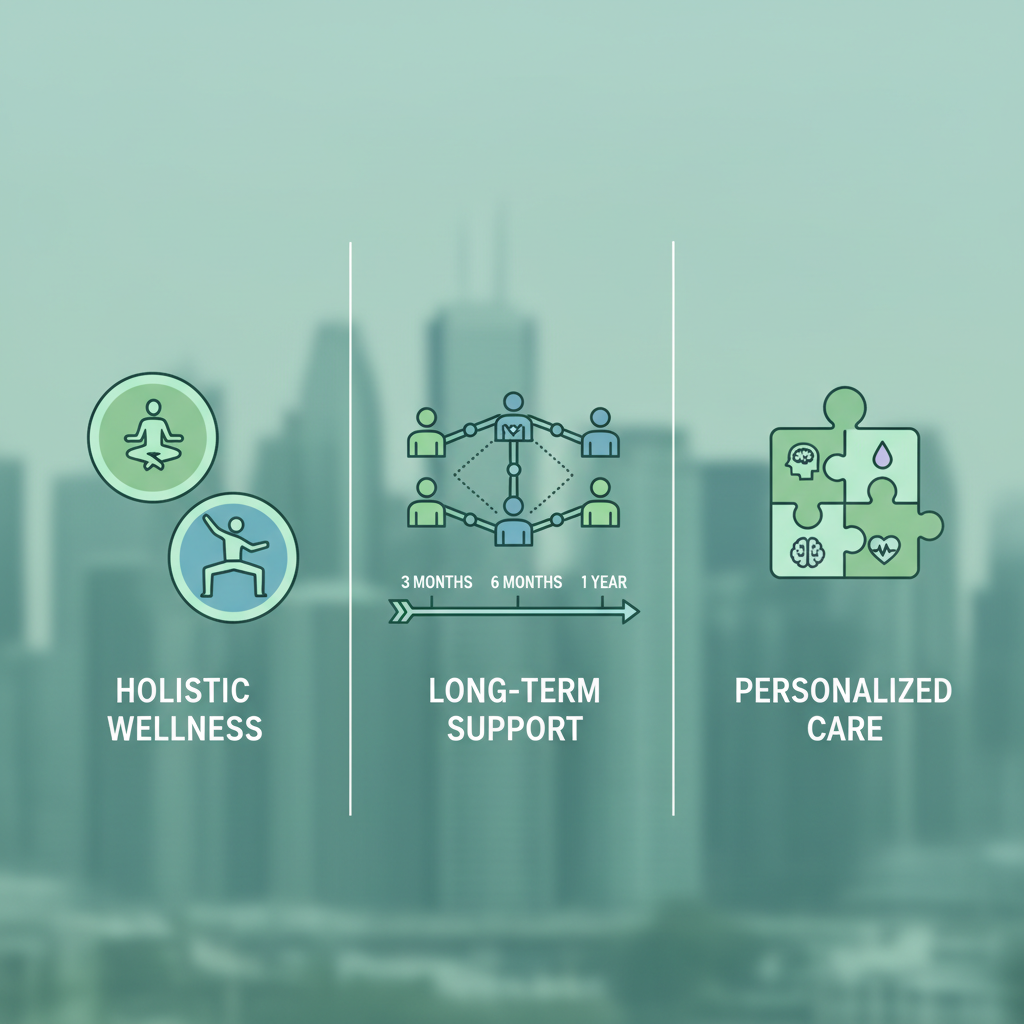
Key benefits of drug rehab in Toronto: holistic, supportive, personalized care
These wellness advantages set a strong foundation for recovery. Building on physical and mental gains, participants often report renewed purpose, transitioning smoothly into ongoing support structures.
Long-Term Recovery Support
Aftercare and alumni networks are vital for maintaining sobriety beyond initial treatment. Structured programs offer ongoing counseling, peer support groups, and relapse prevention workshops, ensuring tools for real-world challenges. Alumni connections provide a sense of community, sharing experiences that reinforce commitment to sobriety.
Key benefits include:
- Sustained sobriety: Regular check-ins reduce relapse risks by 50%, per Ontario recovery data.
- Social integration: Family involvement strengthens bonds, vital for emotional support.
- Pros vs. short-term care: While basic detox ends abruptly, comprehensive aftercare like Freeport’s lifetime network yields long-term success, with testimonials highlighting alumni thriving years later.
Recovery facilities serving Toronto deliver this support through hybrid in-person and virtual formats, ideal for busy urban lives. A Toronto family, for instance, found stability via alumni events, turning potential setbacks into growth. This accessibility underscores the value of local options in fostering enduring recovery.
Personalized Treatment Plans
Individualized care tailors treatment to unique needs, addressing co-occurring mental health issues like trauma or depression alongside addiction. Plans incorporate psychiatric evaluations, therapy modalities, and progress tracking to ensure relevance and effectiveness.
Key benefits include:
- Targeted healing: Custom plans for drug rehab center toronto improve outcomes by 30% over generic programs.
- Holistic integration: Combines therapy with wellness, such as meditation for anxiety in alcohol rehab in Toronto.
- Pros over one-size-fits-all: Personalized approaches, including insurance-verified detox, save costs long-term; bundled services average 25% less than crisis interventions, as noted in Ontario treatment analyses.
For Toronto residents facing drug detox in Toronto challenges, these plans offer flexible access, verifying coverage swiftly. A young adult with co-occurring issues, for example, achieved breakthroughs through trauma-informed care, now leading a fulfilling life. Reach out at (289) 273-2485 to explore your customized path forward.
This personalized focus not only accelerates recovery but also empowers individuals to sustain the benefits discussed, paving the way for deeper insights into the treatment process.
How Drug Rehab Works in Toronto
Navigating drug rehab centres in Toronto involves a structured, compassionate process designed to support individuals on their path to recovery. These facilities offer comprehensive care, from initial assessments to long-term aftercare, ensuring accessibility for local residents. Programs align with Ontario’s provincial standards for mental health services, emphasizing confidentiality under PHIPA to protect personal health information. Toronto addiction recovery pathways typically begin with a simple phone call, leading to tailored treatment plans that address substance use and co-occurring disorders effectively.
Admissions and Assessment Process
The admissions process at drug rehab centres in Toronto starts with a confidential evaluation to determine the best fit for recovery needs. Prospective clients, including those from Toronto seeking alcohol rehab in Toronto or other substance support, connect with an admissions specialist via phone at (289) 273-2485. This initial assessment, often lasting 30-60 minutes, involves discussing addiction history, mental health concerns, and lifestyle factors to create an individualized plan. Specialists verify insurance coverage, exploring options like OHIP or private pay, in line with Ontario Mental Health Services guidelines for equitable access.
For Toronto applicants, the process adapts to urban commuting challenges, offering virtual assessments to minimize travel to facilities like those in nearby St. Catharines. Medical reviews ensure safe entry, screening for withdrawal risks and co-occurring conditions. This step demystifies entry, answering questions like ‘How to find alcohol rehab near Toronto?’ by providing clear contact info and rapid scheduling, often within days. Confidentiality remains paramount, fostering trust from the first interaction and setting the foundation for structured substance treatment in Ontario.
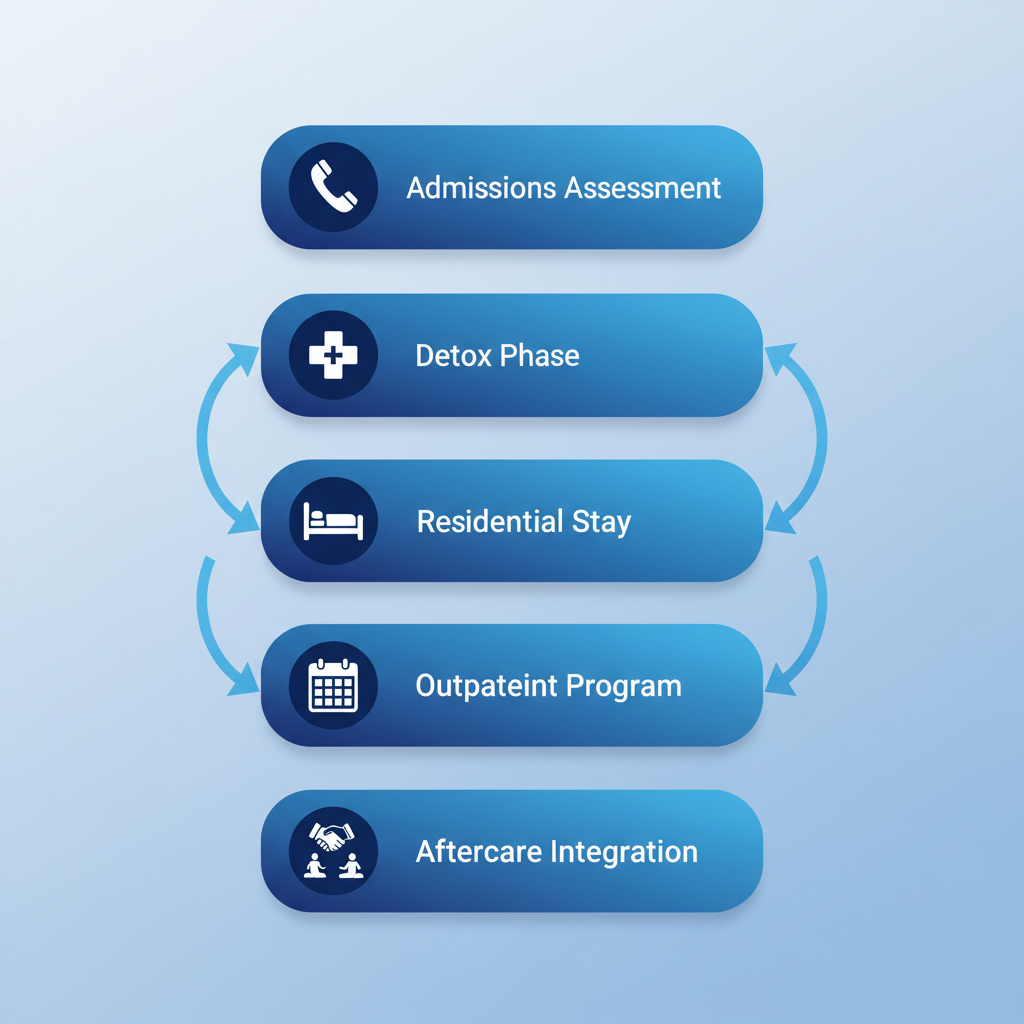
Step-by-step visualization of Toronto drug rehabilitation process
This diagram highlights the seamless progression, helping Toronto residents visualize their journey toward sustained wellness.
Treatment Phases from Detox to Aftercare
Treatment in drug rehab facilities in Toronto drug rehab facilities in toronto unfolds in distinct phases, starting with detox. Drug detox in Toronto prioritizes medical supervision to manage withdrawal safely, typically lasting 3-7 days depending on substance type, as per provincial detox protocols from Ontario Mental Health Services. For opioids or alcohol, medications ease symptoms, preventing complications while addressing queries like ‘How long does drug detox take in Toronto?’ and ‘Medical drug detox Toronto options?’.
Residential stays follow, ranging 30-90 days in supportive environments with daily group therapy, individual counseling, and psychiatric support. Alcohol-focused phases in alcohol rehab in Toronto integrate cognitive-behavioral therapy for relapse prevention. Transitions to outpatient care allow commuters to maintain work or family ties, with virtual sessions for flexibility. Aftercare provides lifetime networks, including alumni groups, ensuring ongoing support. Drawing from Recovery.com data on co-occurring disorders, these phases boost efficacy by 40-60% when combining therapies, with discharge planning outlining personalized relapse strategies.
Toronto programs tailor these phases for local needs, such as shorter residential options for urban professionals, promoting smooth reintegration into community life.
Integrating Holistic Modalities
Holistic modalities enhance traditional therapies in Toronto addiction recovery pathways, fostering mind-body balance for comprehensive healing. Facilities incorporate yoga and meditation to reduce stress and improve emotional regulation, complementing evidence-based counseling. Martial arts like Muay Thai and Brazilian Jiu-Jitsu build discipline and self-efficacy, particularly beneficial for trauma-informed care in structured substance treatment in Ontario.
Nutritional coaching rounds out the approach, with chef-prepared meals addressing deficiencies from substance use and supporting brain health recovery. These elements, integrated daily during residential phases, align with Recovery.com insights showing holistic methods increase treatment retention by up to 25%. For co-occurring disorders, such combinations address both addiction and mental health holistically.
In Toronto contexts, these modalities adapt to diverse populations, offering virtual wellness sessions for outpatient clients. This integration not only accelerates recovery but empowers individuals with lifelong tools, answering ‘What types of addiction treatment options are available in Toronto?’ by showcasing innovative, accessible blends of clinical and wellness support.
Best Practices for Drug Rehab in Toronto
Navigating drug rehab in Toronto requires informed decisions to ensure effective recovery. With numerous options available, focusing on facilities that offer rapid access and holistic support can make a significant difference for individuals in the Greater Toronto Area. Facilities like Freeport Recovery provide tailored programs accessible to Toronto residents, emphasizing evidence-based care combined with wellness therapies.
Selecting the Right Centre
Choosing a drug rehab centre in Toronto starts with thorough evaluation to match your needs. Look for centers accredited by bodies like the Canadian Centre on Substance Use and Addiction, ensuring they handle dual diagnosis for co-occurring mental health issues. Review patient testimonials and success rates, as highlighted in Recovery.com Ontario Resources, which recommends checking for transparent outcome data and family involvement policies.
Consider accessibility for Toronto-area clients, including virtual options or nearby locations like St. Catharines for seamless travel. For those seeking drug rehab centres in Toronto, prioritize programs offering both inpatient and outpatient care to suit lifestyle demands. Budgeting is key; according to Costs of Private Addiction Treatment in Ontario, expect $5,000 to $15,000 for a 30-day stay, with financing plans available to ease costs.
The following checklist table helps align centre features with your specific needs:
| Feature | Your Need | Priority |
|---|---|---|
| Dual Diagnosis Support | Yes/No | High |
| Inpatient/Outpatient Options | Yes/No | Medium |
| Certified Staff | Yes/No | High |
| Toronto Accessibility | Yes/No | High |
| Cost Range ($5K-$15K) | Fits Budget? | Medium |
This table guides personalized selection, promoting optimal addiction care in Toronto by verifying essentials like licensed therapists and holistic therapies. Call (289) 273-2485 for a confidential assessment to explore drug rehab clinics toronto options tailored to you. (148 words)
Preparing for Treatment
Preparation sets the foundation for successful rehab. Start with a medical evaluation to address immediate concerns, such as safe withdrawal management. For drug detox in Toronto, gather essential documents like ID, insurance details, and any prescription records to streamline admission.
Pack practical items: comfortable clothing, toiletries, a journal for reflections, and personal items for comfort, while avoiding contraband. Involve family early by discussing their role in therapy sessions, which strengthens support networks. Mentally prepare by setting realistic goals and understanding program structure, including initial detox phases.
- Schedule pre-admission calls to clarify expectations.
- Arrange transportation and time off work.
- Discuss financing if needed, covering potential out-of-pocket costs.
For alcohol rehab in Toronto programs, emphasize hydration and nutrition tips during detox. Facilities often provide guided steps, so reaching out early ensures smooth entry into effective recovery strategies Ontario-wide. This proactive approach reduces anxiety and enhances commitment. (152 words)
Maximizing Recovery Outcomes
Active engagement transforms rehab into lasting change. Participate fully in therapies like individual counseling, group sessions, and innovative modalities such as red light therapy to address physical and emotional healing. Track progress through daily reflections to build self-awareness.
Prevent relapse by learning triggers and coping skills, reinforced by structured aftercare plans. Leverage alumni networks for ongoing peer support, connecting with others in Toronto for motivation.
- Attend all sessions and workshops consistently.
- Practice mindfulness techniques learned in program.
- Schedule follow-up appointments post-discharge.
- Join local support groups for sustained accountability.
Toronto-specific resources, including community events, amplify these efforts. By embracing family involvement and budgeting for extended care, individuals achieve sustained sobriety. Contact (289) 273-2485 to start your journey toward empowered recovery today. (150 words)
Taking the Next Step in Toronto Recovery
As you reflect on the journey toward healing from addiction, remember that drug rehab centres in Toronto offer a vital starting point for lasting change. Comprehensive programs addressing substance use, including alcohol rehab in Toronto and drug detox in Toronto, provide the structured support needed for physical and emotional recovery. Freeport Recovery, accessible from the Greater Toronto Area, integrates evidence-based therapies with holistic approaches to tackle co-occurring disorders effectively. Our clinicians collaborate with local supports to ensure smooth transitions and continued community engagement.
Key takeaways from this guide emphasize the importance of personalized treatment plans, certified counselling, and lifetime aftercare to sustain progress. Best practices like rapid admissions and family involvement boost success rates, with studies showing long-term recovery rates exceeding 60% for those committed to integrated care. These elements ensure operational excellence and empower individuals to rebuild their lives.
Take action today by contacting Freeport Recovery at (289) 273-2485 for a confidential assessment. Explore more at our drug rehab centre toronto resources tailored for Toronto-area substance recovery. Join Ontario addiction support networks and embrace the path to renewed strength and freedom.