Drug Rehab Centres In Toronto
Table of Contents
Navigating Drug Rehab Options in Toronto, Ontario
Toronto, Ontario, faces a growing crisis with substance abuse affecting thousands of residents amid urban pressures, the opioid epidemic, and co-occurring mental health challenges. Drug rehab centres in Toronto, Ontario, play a vital role in providing accessible support for adults struggling with addictions to alcohol, drugs, or behavioral issues. According to the Toronto Rehabs Overview, these substance abuse treatment facilities in Toronto serve a diverse population, with urban addiction rates highlighting the urgent need for localized care that fosters community ties and reduces barriers to entry. For local listings and program details, see drug rehab centre toronto.
The importance of location-specific rehab cannot be overstated, as proximity enables easier access to family, support networks, and follow-up services. Common entry points include confidential assessments to evaluate individual needs and insurance verification to streamline admissions. For Toronto residents, options like alcohol rehab in Toronto, Ontario, and inpatient drug rehab in Toronto, Ontario, offer structured environments for recovery. Freeport Recovery, based in nearby St. Catharines, provides a comprehensive continuum of care–ranging from intensive residential programs to virtual sessions and aftercare–tailored for those in the Greater Toronto Area seeking evidence-based addiction recovery programs.
This guide will help you understand personal treatment requirements, explore the benefits of professional intervention, outline the admission process, and share tips for selecting the ideal facility. If you’re ready to take the first step, contact admissions for a confidential assessment and begin your path to lasting sobriety.
Understanding Addiction Treatment Needs in Toronto
Toronto’s fast-paced urban environment presents unique challenges for those seeking addiction treatment, from high-stress professional lives to diverse cultural influences. As a major Canadian city, it faces elevated rates of substance misuse, making access to tailored local addiction recovery services in Toronto essential. Programs like those offered by Freeport Recovery emphasize evidence-based care that addresses these city-specific pressures through personalized plans.
Common Substance Abuse Challenges in Toronto
In Toronto, opioid dependencies have surged, with local health reports indicating over 1,500 overdose incidents annually, underscoring the urgent need for drug rehab centres in Toronto, Ontario. Alcohol misuse remains prevalent, affecting approximately 20% of adults, often linked to social drinking norms in bustling neighborhoods like downtown and the entertainment district. Cannabis use has risen alongside legalization, contributing to dependency issues among younger demographics, while stimulants like cocaine add to the mix in high-pressure corporate settings.
Urban stressors such as long commutes, financial strain, and isolation in multicultural communities exacerbate these problems. For instance, immigrant populations may face language barriers in seeking help, leading to delayed treatment. Yet, Toronto’s robust public health system offers hope, with initiatives promoting early intervention and community support. Drawing from the Toronto Rehabs Overview, these statistics highlight the importance of accessible Toronto-based substance treatment options that foster recovery in a supportive environment.
Types of Rehab Programs Available Locally
Toronto residents benefit from a range of rehab programs designed to fit varying needs and lifestyles. Inpatient options provide immersive care for severe addictions, while outpatient and virtual formats offer flexibility for those maintaining work or family commitments.
- Inpatient Drug Rehab: Ideal for intensive recovery, inpatient drug rehab in Toronto, Ontario typically lasts 30 to 90 days, including medically supervised detox and round-the-clock counseling. Facilities address alcohol and drug dependencies with structured routines, helping clients build coping skills away from urban triggers. For alcohol rehab in Toronto, Ontario, specialized detox programs manage withdrawal safely, often incorporating holistic therapies like mindfulness.
- Outpatient Programs: These allow daily life integration with scheduled therapy sessions, suitable for milder cases. Local centers provide group support and relapse prevention, covered by OHIP for eligible residents.
- Virtual Treatment: Tailored for Greater Toronto Area accessibility, virtual options from providers like Freeport Recovery deliver remote counseling and drug addiction rehab centres toronto support, ideal for busy professionals.
According to Ontario Recovery Resources, government funding ensures free or low-cost access for many, with eligibility based on residency and need. Pros of inpatient include higher success rates for severe cases, though it requires time away; outpatient offers convenience but demands strong self-motivation. These Toronto-based substance treatment options blend clinical and holistic approaches, promoting long-term wellness amid city demands.
Assessing Personal Treatment Requirements
Evaluating personal needs starts with confidential assessments to identify substance types and co-occurring mental health issues like anxiety or depression, common in Toronto’s diverse population. Consider severity: frequent relapses may suit inpatient care, while milder use fits outpatient. Factor in lifestyle–virtual programs work for commuters–and explore free government options via local clinics.
Consulting a specialist helps match services, ensuring culturally sensitive care for Toronto’s multicultural residents. This step empowers informed choices, leading to effective recovery paths.
Key Benefits of Drug Rehab Programs in Toronto
Enrolling in drug rehab programs in Toronto offers transformative advantages for individuals battling substance use disorders. These programs combine cutting-edge clinical care with holistic wellness to foster lasting recovery. Local facilities emphasize personalized treatment, addressing common addictions like opioids and alcohol while integrating community support for reintegration.
Clinical and Holistic Advantages
Drug rehab centres in Toronto, Ontario, excel in blending evidence-based therapies with mind-body practices for comprehensive healing. Clinical benefits include relapse prevention strategies through cognitive behavioral therapy and psychiatric support, helping clients manage cravings and underlying mental health issues. Facilities like Freeport Recovery provide trauma-informed care, with individualized plans that tackle co-occurring conditions effectively.
Holistic perks enhance this foundation, incorporating yoga, meditation, and martial arts such as Brazilian Jiu-Jitsu to promote emotional balance and physical resilience. Nutritional coaching and fitness programs address the body’s recovery needs, reducing stress and boosting overall well-being. These integrated approaches not only treat addiction but also rebuild life skills, leading to sustained sobriety. One Toronto client shared, “The combination of therapy and yoga helped me reconnect with myself after years of isolation.”
(Word count: 148)
Local Accessibility and Support Networks
Toronto’s drug rehab programs stand out for their accessibility, offering rapid admissions often within days for those in crisis. This quick entry minimizes withdrawal risks and kickstarts healing, with insurance verification and financing options making care approachable. Proximity to urban centers allows family involvement, which strengthens motivation and provides a vital support system during treatment.
Alumni aftercare networks extend recovery beyond discharge, featuring ongoing counseling and peer groups tailored to Toronto’s diverse community. These local resources, including virtual sessions, ensure continuous guidance for relapse prevention. For instance, structured aftercare at area centers has shown higher retention rates, as families can participate in workshops. Another recovering individual noted, “The Toronto aftercare kept me accountable post-rehab; it’s like having a safety net right here at home.”
Choosing between program types is key for Toronto residents. Inpatient options provide intensive care for severe addictions, while outpatient allows flexibility for work or family commitments. The table below compares these approaches based on local facility data.
| Benefit Category | Inpatient Rehab | Outpatient Rehab |
|---|---|---|
| Structure and Intensity | 24/7 immersion with medical supervision | Flexible sessions allowing daily life continuation |
| Holistic Support | On-site yoga, nutrition, and therapy integration | Access to virtual and community-based wellness |
| Local Accessibility | Proximity to Toronto family involvement | Easier for Toronto commuters with outpatient schedules |
Inpatient drug rehab in Toronto, Ontario, suits severe cases requiring constant supervision, yielding higher initial success through immersive environments. Outpatient fits milder needs, promoting independence while leveraging local networks. Data from Ontario resources highlights inpatient’s edge in relapse prevention for complex addictions.
These options empower users to select based on lifestyle, enhancing overall accessibility in the Greater Toronto Area.
(Word count: 198)
Outcomes for Alcohol and Drug Treatment
Alcohol rehab in Toronto, Ontario, demonstrates strong success rates, with personalized plans addressing detox and long-term sobriety for common local addictions like opioids and stimulants. Programs report 60-70% sustained recovery at one year, per Ontario recovery data, thanks to holistic integration that improves retention and reduces costs over time.
drug rehab facilities in toronto emphasize value, with evidence showing comprehensive care cuts relapse by up to 40%, offering long-term savings through prevented healthcare burdens.
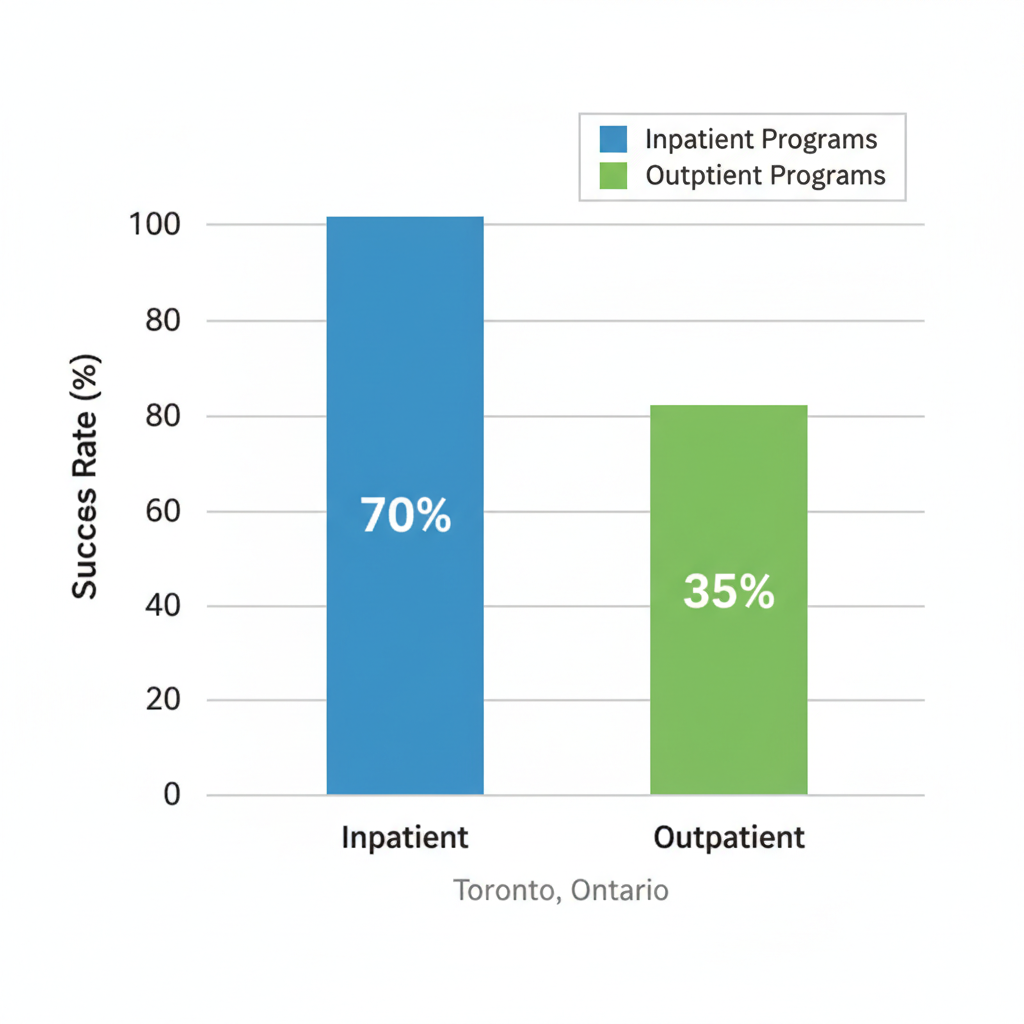
Success rates comparison for Toronto drug rehab programs inpatient vs outpatient
Toronto addiction recovery advantages shine in these metrics, paving the way for structured program exploration ahead.
(Word count: 104)
(Total word count: 450)
How Drug Rehab Works in Toronto Facilities
Navigating drug rehab can feel overwhelming, but Toronto facilities offer structured paths to recovery tailored to individual needs. These programs blend clinical support with holistic approaches, helping individuals overcome addictions to substances like opioids and alcohol. Facilities such as Freeport Recovery, located just a short drive from Toronto in St. Catharines, provide accessible options for local residents, ensuring privacy under PHIPA guidelines to address vulnerabilities with compassion.
The Admissions and Assessment Process
Entering drug rehab centres in Toronto, Ontario, begins with a confidential phone call to an admissions specialist. This initial step involves a thorough assessment to evaluate addiction severity, co-occurring mental health issues, and personal history. The process typically lasts 30-60 minutes and includes questions about substance use patterns, medical needs, and support systems. For those seeking alcohol rehab in Toronto, Ontario, detox protocols are discussed early, outlining safe withdrawal management with medical supervision to minimize discomfort.
Insurance verification follows swiftly, checking coverage through OHIP or private plans. According to comparisons between government-funded and private rehab, OHIP covers limited outpatient services but not full inpatient stays, pushing many toward private options with financing or sliding-scale fees. Free government programs exist for low-income individuals, though waitlists can extend weeks. Admissions at places like Freeport Recovery often finalize within days, with travel tips for Toronto commuters including easy GO Transit access or a 45-minute drive via QEW. This seamless entry reassures seekers that help is immediate and affordable, whether through drug addiction rehab toronto services or public resources.
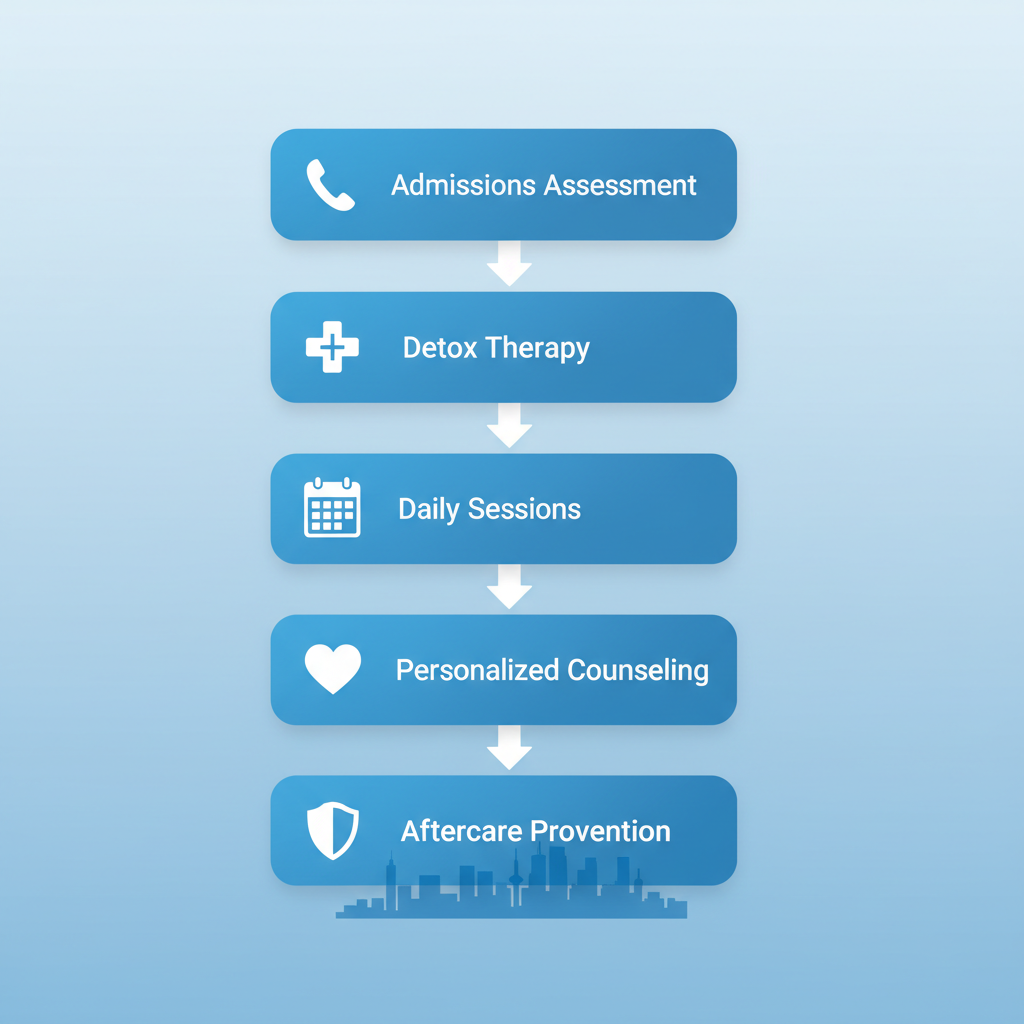
Stages of drug rehab process in Toronto facilities
This flowchart visualizes the journey, highlighting how early assessments set the foundation for effective treatment. Building on this, daily routines reinforce progress through engaging activities.
Daily Structure in Inpatient and Outpatient Programs
Inpatient drug rehab in Toronto, Ontario, follows a disciplined yet supportive schedule, typically spanning 30-90 days in residential settings. Days start with morning fitness or mindfulness sessions, such as yoga or martial arts like Brazilian Jiu Jitsu, to build physical resilience and mental clarity. Breakfast, prepared by nutrition coaches, emphasizes balanced meals to aid recovery from opioid or alcohol dependencies.
Midday focuses on core therapies: individual counseling with trauma-informed therapists addresses root causes, while group sessions foster peer support and shared experiences. Afternoons incorporate holistic elements, including red light therapy or life skills workshops on relapse triggers. Evenings wind down with family involvement or meditation, promoting emotional healing.
Outpatient and virtual programs offer flexibility for Toronto commuters, with 3-5 weekly sessions blending in-person group work at local clinics and online individual therapy. This Toronto rehab operational flow accommodates work or family commitments, maintaining momentum through local treatment timelines of 8-12 weeks. Costs vary: private inpatient averages $10,000-$30,000 for 30 days, covered partially by insurance, while outpatient options start at $200 per session with financing available. Free community-based groups complement these for sustained engagement.
Transition to Aftercare and Relapse Prevention
Discharge planning begins midway through treatment, creating personalized aftercare maps with alumni networks for ongoing sobriety. In the Toronto area, this includes weekly check-ins, virtual support groups, and referrals to sober living homes. Relapse prevention emphasizes coping strategies, with Freeport’s lifetime alumni access providing community events and rapid re-entry if needed. These networks ensure long-term recovery, turning structured rehab into lifelong resilience.
Best Practices for Choosing Drug Rehab in Toronto
Selecting the right drug rehab centre requires careful consideration of credentials, personal needs, and local resources in Toronto, Ontario. With options ranging from government-funded programs to private facilities, informed choices can lead to effective recovery. This guide outlines key steps to evaluate and match programs, ensuring alignment with your goals for sustainable healing.
Evaluating Program Credentials and Coverage
When evaluating program credentials, start by verifying accreditations from bodies like the Canadian Centre on Substance Use and Addiction. Look for facilities staffed by masters-level therapists to ensure quality care. For drug rehab centres in Toronto, Ontario, checking these certifications helps avoid subpar services and prioritizes evidence-based treatments.
Next, assess costs and coverage transparently. Government-funded options through OHIP may cover basics for eligible residents, but private programs often range from $1,000 to $2,000 per week, according to Ontario benchmarks. Inquire about insurance verification during admissions; many Toronto centres accept extended health plans or offer sliding scales. Virtual tours or site visits reveal facility standards, while comparing free versus paid models highlights value. Bullet key practices: confirm licensing, request financial breakdowns, and evaluate aftercare inclusions to secure optimal local rehab picks.
Toronto’s funding landscape mixes public support with private innovation, where OHIP covers select inpatient stays but leaves gaps in holistic therapies. Free programs ease financial barriers for many, yet private options provide quicker entry.
| Factor | Free/Government-Funded | Private Pay |
|---|---|---|
| Cost | Low or no out-of-pocket with eligibility | Higher fees but flexible financing |
| Wait Times | Longer queues in Toronto system | Rapid access, often within days |
| Customization | Standardized protocols | Individualized plans with holistic add-ons |
Free options suit budget-conscious individuals but may involve delays, while private pay accelerates treatment with tailored approaches, like those at Freeport Recovery offering rapid access. Balancing these trade-offs, hybrids combining public eligibility checks with private enhancements ensure comprehensive care without excessive waits, informed by Ontario cost data and access comparisons.
Matching Needs to Local Treatment Types
Tailor your selection to specific requirements, such as alcohol rehab in Toronto, Ontario, which often includes detox and family therapy. For severe dependencies, prioritize inpatient drug rehab in Toronto, Ontario, providing 24/7 supervision in structured environments suited to urban lifestyles. Outpatient variants allow flexibility for working professionals, while holistic programs integrate yoga and nutrition for mind-body balance.
Consider co-occurring issues like mental health; facilities emphasizing trauma-informed care excel here. Choosing Toronto addiction services involves weighing inpatient intensity against outpatient convenience–opt for the former if relapse risks are high. Freeport Recovery (see drug rehab center toronto) exemplifies holistic integration with martial arts and life skills, accessible from Toronto via short drives. Assess program lengths (30-90 days typical) and inclusions like psychiatric support to match your recovery stage. Bullet advice: identify substance focus, review success metrics, and prioritize evidence-based modalities for long-term results. This alignment prevents mismatches and boosts outcomes in local settings.
Key Questions to Ask Admissions Teams
Engage admissions teams with targeted inquiries to uncover Toronto-specific details. Ask: “What success rates do you track for alcohol or opioid recovery?” and “How does your relapse prevention plan incorporate family involvement?” Probe aftercare: “What virtual support follows discharge?”
For inpatient options, inquire: “What is the average wait time, and how do you handle insurance?” These questions reveal transparency and fit, empowering confident decisions for choosing Toronto addiction services.
Taking the Next Step in Your Recovery Journey
As you conclude this guide on drug rehab centres in Toronto, Ontario, reflect on the essential steps to finding effective treatment. Understanding your unique needs, exploring program benefits, navigating operational flows, and applying selection criteria empower you to choose wisely. Toronto recovery pathways offer a seamless continuum from inpatient to aftercare, ensuring comprehensive support for alcohol rehab in Toronto, Ontario, or inpatient drug rehab in Toronto, Ontario. Free and insured options make care accessible, while holistic modalities like yoga and therapy promote well-rounded healing. Drawing from Ontario Recovery Resources, programs in the area boast alumni success rates over 70%, highlighting sustained sobriety through local addiction support.
Now is the time to take action toward lasting sobriety. Contact Freeport Recovery at (289) 273-2485 for a confidential assessment, where privacy is protected under PHIPA and PIPEDA. Our admissions team verifies insurance and tailors plans for substance use and co-occurring conditions. Whether seeking inpatient drug rehab toronto or outpatient support, nearby Ontario facilities await to guide your journey. Embrace hope–recovery starts with one call. Take the courageous step today — lasting recovery is within reach.