Quebec is facing a growing and urgent addiction crisis. In 2024, the province recorded 645 confirmed opioid-related deaths — up from 536 the year before, and more than double the number recorded in 2022, according to federal data from the Canadian Centre on Substance Use and Addiction. That upward trend stands in stark contrast to most other provinces, where opioid deaths declined in 2024. Quebec is moving in the wrong direction.
Fentanyl and its analogues are increasingly present in the province’s illicit drug supply, often mixed into substances people don’t realize are contaminated. Stimulants, benzodiazepines, and novel psychoactive substances are also involved in a growing proportion of deaths across Quebec.
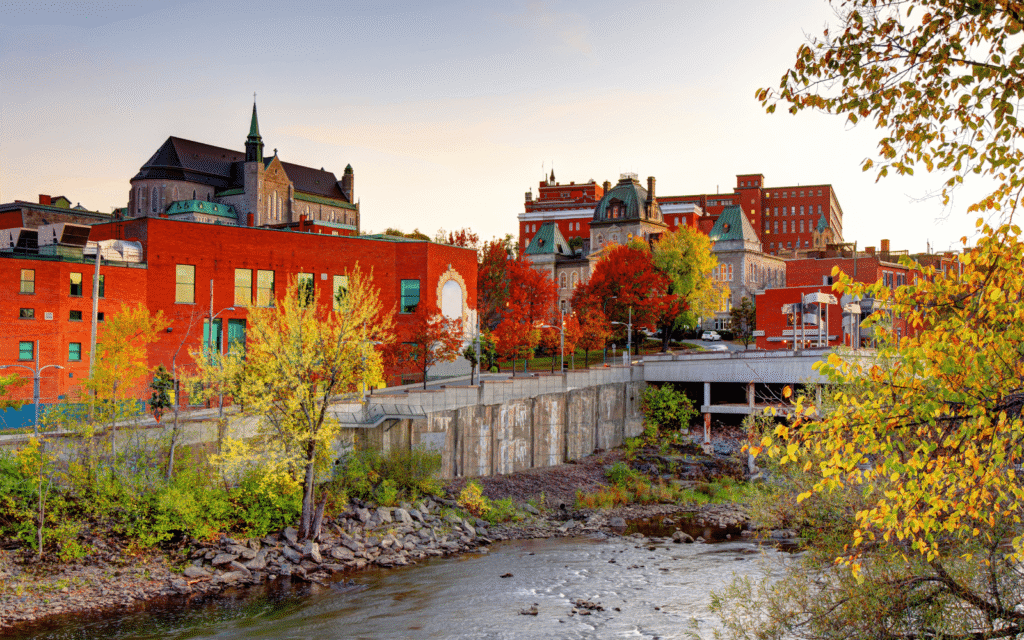
Beyond opioids, alcohol, cocaine, prescription drugs, and cannabis affect tens of thousands of Quebec residents each year — including right here in Sherbrooke and the Estrie region. Addiction does not discriminate by neighbourhood, income level, or profession.
The public treatment system in Quebec is under serious strain. Publicly funded addiction rehabilitation centres (Centres de réadaptation en dépendance, or CRDs) face growing demand, and wait times for services — including opioid agonist therapy — can stretch to weeks or longer. For someone who has found the courage to ask for help, that wait is not just frustrating — it can be fatal. Recovery windows are fragile, and private treatment allows you to act on them immediately.