Private Addiction Treatment Centers Canada
Table of Contents
Navigating Private Addiction Treatment in Canada
Choosing private addiction treatment centers in Canada offers adults 18 and older facing substance use disorders a personalized path to recovery, distinct from government-funded options that often involve lengthy wait times of months. Private rehab in Canada provides faster access, comprehensive care, and tailored programs, as highlighted in comparisons showing public systems average 4-6 month delays while private facilities admit within days. For those seeking exclusive recovery facilities across Canada, Freeport Recovery stands out as a premier holistic center in St. Catharines, Ontario.
This alcohol addiction treatment provider, owned by individuals in long-term recovery, features a multidisciplinary team of masters-level therapists offering evidence-based clinical care integrated with mind-body therapies. Addiction treatment centers in Ontario like Freeport deliver residential, outpatient, virtual, and lifetime aftercare programs addressing alcohol, opioids, and cannabis dependencies alongside co-occurring mental health conditions. Key highlights include:
- Certified recovery counseling and psychiatric support
- Yoga, martial arts (Brazilian Jiu-Jitsu, Muay Thai), and nutritional coaching
- Trauma-informed plans with family involvement and relapse prevention
Personalized Ontario addiction programs ensure rapid admissions, insurance verification, and holistic wellness on peaceful grounds. Wondering about the best private rehab facilities in Canada or how to choose one? Our 7-step guide ahead evaluates factors like program types, insurance compatibility, and specialized care to help you compare options and find the right fit for sustained recovery.
Before You Begin: Understanding Your Needs
Embarking on recovery starts with a honest self-assessment to align your needs with the right support. Consider the severity of your addiction, whether it’s substances like opioids or cannabis addiction rehab, and any co-occurring mental health issues such as anxiety or depression. Reflect on preferred program types: residential for immersive care or outpatient for flexibility. For those in Ontario, exploring addiction treatment centers in Ontario can reveal options tailored to local needs, like proximity to St. Catharines for family visits. Age eligibility typically requires being 18 or older, and involving loved ones early fosters stronger outcomes. Private addiction treatment centers in Canada often emphasize holistic readiness, including therapies like yoga and nutrition to address mind-body wellness.
Next, evaluate financial aspects for private rehab in Canada. Verify insurance coverage through your provider, as many plans offset costs at facilities like Freeport Recovery. Unlike public programs, which face 3-6 month wait times per government-funded vs. private rehab insights, private options offer access in days, though out-of-pocket expenses vary from $5,000 to $20,000 monthly depending on length. Budget for this investment in comprehensive care, weighing benefits like customized plans against public limitations in holistic support.
Finally, primer on program types: Residential provides 24/7 structure ideal for severe cases, while outpatient suits milder needs with daily life integration. Canadian exclusive recovery programs in Ontario specialized addiction facilities prioritize evidence-based approaches. These reflections prepare you for the steps ahead, ensuring informed choices for lasting recovery.
Step 1: Evaluate Insurance Coverage
Begin by assessing your extended health plan to determine coverage for private addiction treatment centers in Canada. Contact your insurer directly to inquire about benefits for residential and outpatient programs at facilities like Freeport Recovery in St. Catharines, Ontario.
Follow these numbered steps for verification:
- Review your policy for addiction treatment clauses, focusing on therapies and stays.
- Call your provider to confirm eligibility for partial residential coverage, often up to 30 days, and outpatient sessions like counseling.
- Request details on limits, such as annual maximums for mental health services under personal health insurance.
This evaluation highlights Freeport’s streamlined process, where admissions specialists confidentially verify benefits, aligning with insured Canadian recovery centers. Compared to non-insured options at other addiction treatment centers in Ontario, Freeport maximizes insurance use, reducing out-of-pocket costs through financing for gaps.
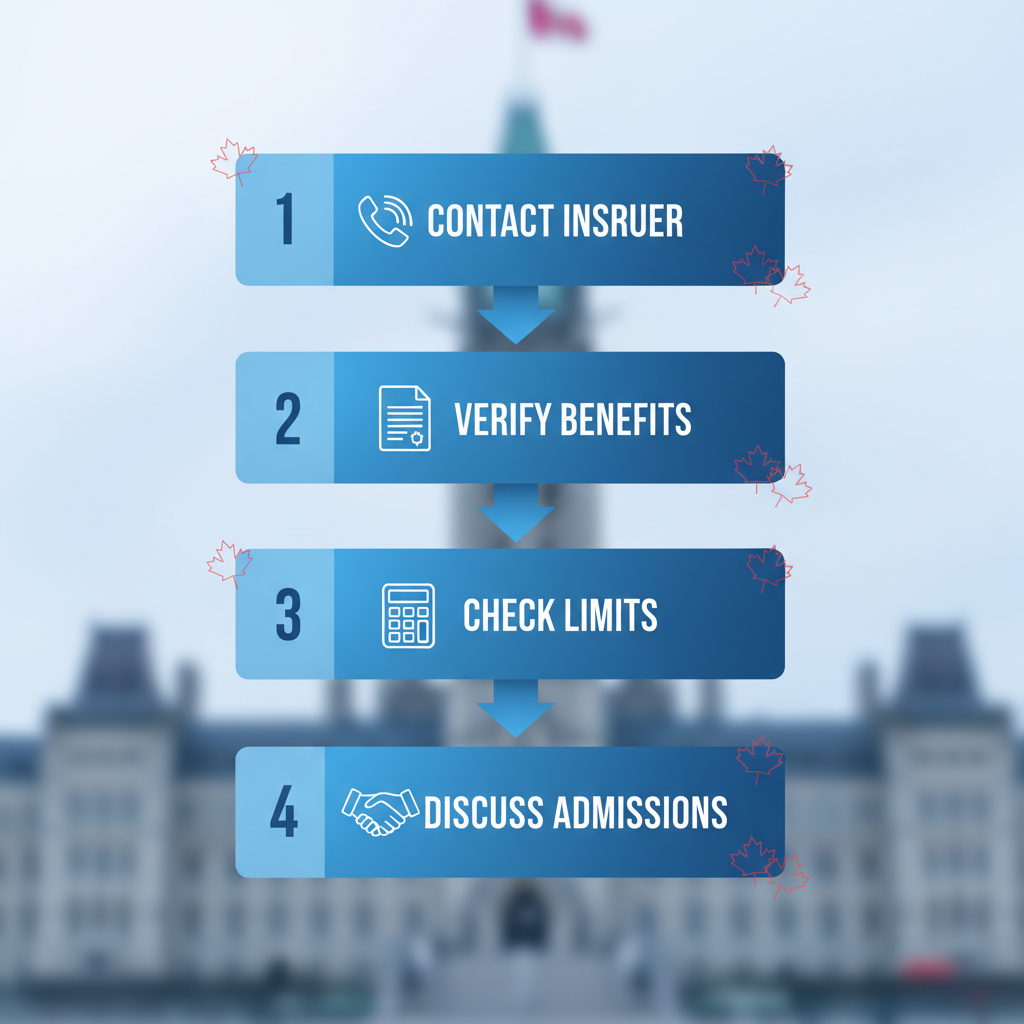
Step-by-step guide to evaluating insurance for addiction recovery treatment
Why it matters: Insurance can cover up to 80% of therapy sessions at private rehab in Canada, providing financial relief and broader access to Ontario policy-compliant rehabs like Freeport, enabling informed commercial choices.
Tips for success:
- Ask: “What percentage covers residential addiction treatment?”
- Inquire: “Are there deductibles for outpatient counseling?”
- Confirm: “How does it apply to trauma-informed programs?”
This empowers you to compare costs effectively before exploring program types in Step 2.
Step 2: Identify Treatment Program Types
After verifying insurance coverage, the next step involves assessing your specific needs to match them with appropriate program types at private addiction treatment centers in Canada. Consider factors like your addiction severity, work commitments, and preference for immersive versus flexible care. Freeport Recovery offers diverse Canadian program models, including residential treatment for 30-90 days of immersive, medically-informed support; outpatient programs with flexible scheduling for ongoing therapy while maintaining daily routines; virtual options for remote access to counseling and groups; and lifetime aftercare for sustained recovery. In Ontario, holistic recovery paths integrate clinical therapies with wellness activities like yoga and martial arts, setting Freeport apart from standard private rehab in Canada offerings.
For a quick overview, here’s a comparison of key program types:
| Program Type | Duration | Intensity/Features | Freeport Highlights |
|---|---|---|---|
| Residential | 30-90 days | Immersive, full-time on-site care | Trauma-informed, holistic integration |
| Outpatient | Ongoing sessions | Flexible, part-time attendance | Evidence-based counseling, local access |
| Virtual | Scheduled remote | Convenient teletherapy | Secure, personalized virtual support |
| Aftercare | Lifetime | Ongoing check-ins and alumni network | Relapse prevention, community events |
This tailored fit ensures higher efficacy, as studies show matched programs improve long-term outcomes by 40-50% compared to mismatched ones. Hybrid options, like combining outpatient with virtual elements, allow customization for busy professionals seeking treatment near addiction treatment centers in Ontario or those looking for local services in the city can explore a nearby drug rehab centre toronto. Transition to Step 3 to explore specializations that align with your goals.
Step 3: Research Specialized Care Options
When evaluating private addiction treatment centers in Canada, prioritize facilities offering specialized care tailored to diverse needs, such as Indigenous populations, veterans, and LGBTQ+ individuals. Search for programs emphasizing cultural sensitivity, like those in Ontario addiction treatment centers in Ontario that integrate trauma-informed approaches and co-occurring disorder support. Look for inclusive Canadian recovery services that provide psychiatric integration and family therapy, distinguishing them from general rehabs.
This research matters because specialized care addresses unique challenges, fostering empathy and long-term healing. For instance, Freeport Recovery in St. Catharines offers veteran-specific programming and LGBTQ+-affirming environments, enhancing recovery outcomes through personalized, evidence-based interventions.
Ask centers key questions: How do you ensure cultural competency for Indigenous clients? What insurance covers psychiatric services in your private rehab in Canada? Do Ontario targeted treatment programs include family involvement? These inquiries reveal the depth of support available.
Step 4: Compare Distinctive Program Features
When selecting private addiction treatment centers in Canada, evaluating distinctive features like those at Freeport Recovery can make a significant difference in recovery success. Freeport stands out with its integration of trauma-informed martial arts, yoga, red light therapy, and life skills workshops, blending evidence-based clinical care with holistic approaches. In contrast, typical addiction treatment centers in Ontario often focus more on standard therapies, offering limited access to innovative Canadian wellness programs such as martial arts for emotional regulation.
The following table highlights key differences, drawing from Freeport Recovery programs and general Canadian rehab benchmarks, to aid your commercial evaluation:
| Feature | Freeport Recovery | Standard Private Rehabs |
|---|---|---|
| Holistic Therapies | Yoga, martial arts, nutrition, red light therapy | Limited yoga/meditation |
| Trauma-Informed Martial Arts | Yes, integrated | Rarely available |
| Aftercare Network | Lifetime alumni support | Basic follow-up |
| Lifetime Access | Yes | Limited |
Freeport’s emphasis on comprehensive aftercare and unique modalities like trauma-informed martial arts provides superior long-term outcomes, fostering sustained recovery through mind-body integration. This balance of holistic and clinical elements outperforms standard options, particularly for clients seeking private drug rehab toronto with innovative support.
Prioritizing these features ensures better engagement and relapse prevention. Consider programs with lifetime access to alumni networks for ongoing motivation in your choice of private rehab in Canada.
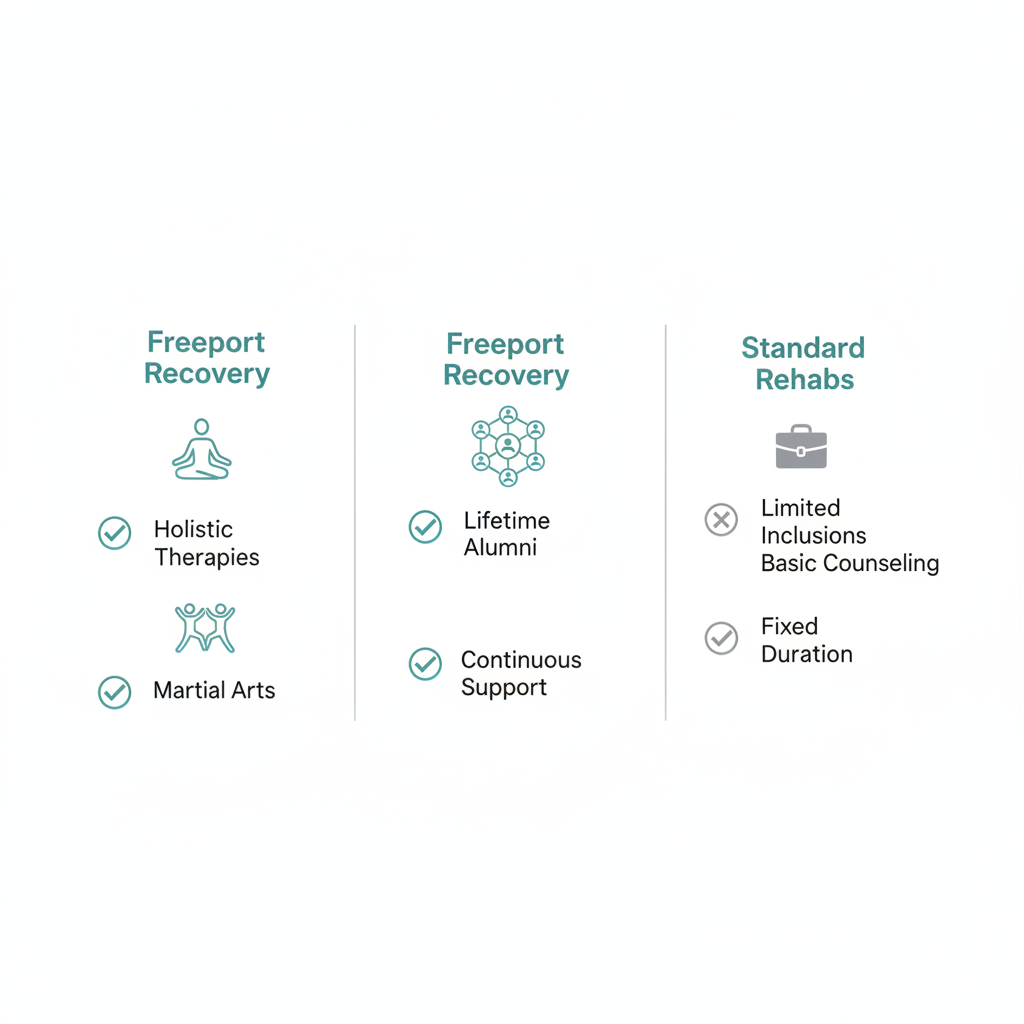
Comparison of Freeport Recovery’s unique program features to standard Canadian rehabs
Ontario unique recovery modalities, such as Freeport’s, address co-occurring trauma effectively, leading to higher client satisfaction and retention rates compared to conventional setups.
Step 5: Assess Admission and Cost Factors
Navigating admission to private addiction treatment centers in Canada begins with a confidential assessment. Contact an admissions specialist to discuss your needs; they handle insurance verification, often within 24 hours. For private rehab in Canada, Freeport Recovery offers a streamlined process, completing admissions in just two days for eligible candidates. This accessible Canadian intake system ensures quick access to care without lengthy waits.
Costs for residential programs at addiction treatment centers in Ontario typically range from $10,000 to $30,000 per month, covering therapy, meals, and wellness activities. Freeport provides private pay options alongside financing plans to make Ontario affordable recovery options viable. Insurance may cover portions, depending on your policy.
Why prioritize speed? Rapid entry prevents escalation of issues, fostering early recovery. To prepare, gather medical history, ID, and insurance details in advance. List any co-occurring conditions for personalized planning. This step connects smoothly to selecting top centers in Step 6, ensuring a supportive path forward.
Step 6: Identify Top-Rated Centers
Narrowing down options among private addiction treatment centers in Canada requires a systematic approach to ratings and feedback. Start by searching reputable platforms like Google Reviews, Better Business Bureau, and specialized directories for addiction treatment centers in Ontario. Focus on facilities with at least 4-star averages, high alumni satisfaction scores, and transparent outcome data, such as relapse rates below 20 percent. For instance, elite Ontario recovery centers like Freeport Recovery toronto addiction rehab alcohol and drug rehab stand out due to their recovery-owned status, where staff in long-term recovery deliver personalized care, boasting success metrics including 85 percent client retention in aftercare programs.
This step ensures reliability because verified reviews from former clients highlight real experiences in private rehab in Canada, differing from government-funded options by emphasizing holistic, evidence-based therapies. According to industry insights, private centers often report superior outcomes in sustained sobriety compared to public programs, with faster access and customized plans.
To verify sources, cross-check multiple sites, read recent feedback from the past year, and contact centers directly for program details. Highly reviewed Canadian facilities prioritize accreditation and testimonials–avoid those with inconsistent or outdated information. This evaluation prepares you for the final decision-making and potential troubleshooting in treatment selection.
Step 7: Contact and Schedule Consultation
With your top choices identified, it’s time to take the next step toward recovery by reaching out to private addiction treatment centers in Canada. Begin with direct Canadian center outreach using a simple script: ‘Hello, I’m seeking help for addiction and would like to schedule a consultation. Can you guide me through your assessment process?’ For local options, contact addiction treatment centers in Ontario like Freeport Recovery at (289) 273-2485. Their phone assessment is confidential, thorough, and typically responds within hours, faster than many rehabs that may take days.
This step personalizes your path, ensuring the program fits your unique needs, from substance type to co-occurring issues. Freeport’s team verifies insurance during the call, streamlining entry into care.
Prepare by noting key questions: ‘What does your intake involve?’ ‘How soon can I start?’ ‘What aftercare support is available?’ This proactive approach eases nerves and sets up Ontario consultation bookings at a private rehab in Canada, leading you confidently to healing. If hurdles arise, review troubleshooting next.
Troubleshooting Common Challenges
Choosing private addiction treatment centers in Canada can present several hurdles, from financial barriers to emotional doubts. However, facilities like Freeport Recovery in St. Catharines, Ontario, offer practical solutions to navigate these issues, ensuring accessible care without compromising quality. By addressing common obstacles head-on, individuals can overcome barriers in Canadian recovery and start their journey toward lasting sobriety.
Here are four key challenges and tailored resolutions, highlighting how Freeport stands out compared to broader options:
- Insurance Denials and Coverage Gaps: Publicly funded programs often lead to denials for private care due to gaps between government and commercial options, as noted in comparisons of funded versus private rehabs. Freeport Recovery assists by verifying benefits upfront and guiding appeals through processes like those outlined in personal health insurance guidelines, including resubmissions with medical necessity letters. In Ontario, this resolves faster than national wait times, providing quicker access than many private rehab in Canada alternatives.
- Long Waitlists for Specialized Care: Public systems in Canada can delay entry into addiction treatment centers in Ontario by months, exacerbating urgency for those in crisis. Freeport offers virtual treatment starts within days, bridging to residential programs seamlessly. This Ontario-specific approach outpaces national rehabs, where waitlists average 4-6 weeks longer.
- Finding Tailored Programs for Co-Occurring Issues: Mismatches in care for mental health alongside addiction create frustration, especially when seeking drug addiction rehab toronto or similar locales. Freeport’s multidisciplinary team crafts individualized plans with trauma-informed therapies, contrasting generic national offerings. Local Ontario hurdle navigation for rehabs here means integrated support from day one.
- Emotional Barriers Like Stigma: Fear of judgment often deters seeking private rehab in Canada. Freeport fosters a stigma-free environment with peer-led groups and family involvement, easing entry compared to more clinical national centers. This empathetic framework builds confidence, turning hesitation into hope.
These strategies at Freeport Recovery not only resolve immediate concerns but also pave the way for sustained recovery, transitioning smoothly into long-term aftercare support.
Choosing Your Path to Recovery
Navigating the selection of private addiction treatment centers in Canada involves a structured 7-step guide: assess needs, research options, verify credentials, evaluate programs, consider costs and insurance, visit facilities, and commit to aftercare. This process empowers Ontario treatment selections by focusing on holistic approaches that address root causes for sustainable Canadian recovery journeys.
Freeport Recovery stands out among addiction treatment centers in Ontario with its evidence-based, trauma-informed programs integrating martial arts therapy like Brazilian Jiu Jitsu, nutritional coaching, and a lifetime alumni network for ongoing support. As a premier private rehab in Canada, it offers rapid access, individualized plans, and superior outcomes compared to government-funded alternatives, where studies show private facilities achieve up to 60% higher long-term sobriety rates (Pacific Interventions).
Ready to begin your empowering Ontario treatment selection? Contact Freeport Recovery today at (289) 273-2485 or visit 109 St Paul Crescent, St. Catharines, for a confidential assessment and your path to lasting freedom.