Holistic Mental Health Treatment Ontario Ca
Table of Contents
Holistic Mental Health Treatment in Ontario, Canada
In today’s fast-paced world, many individuals in Ontario, Canada, seek comprehensive solutions for mental health challenges intertwined with substance use. Holistic mental health treatment in Ontario, Canada, offers a balanced path to recovery by addressing the whole person–mind, body, and spirit. At Freeport Recovery, a leading mental health clinic in Ontario, this approach integrates evidence-based therapies with wellness practices to foster lasting healing.
Located in St. Catharines, Freeport Recovery provides integrated mental wellness programs in Ontario for adults 18 and older facing substance use disorders and co-occurring conditions. Their multidisciplinary team, including masters-level therapists and staff in long-term recovery, delivers trauma-informed care–meaning treatment sensitive to past experiences that may influence current well-being. Services span residential, outpatient, virtual, and aftercare options, incorporating holistic therapy in Ontario such as yoga, meditation, and martial arts like Brazilian Jiu-Jitsu and Muay Thai. These mind-body elements complement clinical therapy, psychiatric support, and nutritional coaching for comprehensive behavioral health services in Canada. Admissions begin with a confidential assessment by specialists who verify insurance and explore financing, ensuring quick access despite common barriers like wait times or stigma.
This article explores what holistic treatment entails, its benefits, how Freeport’s model works, and best practices for recovery. Discover how accessible, empathetic care at this St. Catharines center, including holistic drug treatment ontario canada, empowers Ontario residents toward sustained wellness.
Understanding Holistic Mental Health Treatment
Core Principles of Integrated Care
Holistic mental health treatment in Ontario, Canada, views the whole person rather than isolated symptoms, differing from traditional models that focus primarily on medication and talk therapy. It integrates mind-body elements, emphasizing how emotional well-being connects to physical health, nutrition, and lifestyle. Evidence-based therapies like cognitive-behavioral techniques blend with wellness practices to address root causes of issues such as anxiety or addiction.
In Ontario’s mental health landscape, where stigma often barriers access, this approach empowers residents by promoting self-awareness and resilience. Local programs tackle regional challenges like urban stress in Toronto or rural isolation, using tailored strategies that incorporate cultural sensitivities.
Freeport Recovery exemplifies these principles through certified counseling that weaves trauma-informed psychology with mindfulness, serving adults 18+ facing substance use and co-occurring conditions. Their model fosters lasting change by addressing addictions to alcohol, opioids, and more.
Traditional treatments, as seen in Ontario’s inpatient units with average stays of 30-60 days, often prioritize stabilization through medication. In contrast, holistic care extends beyond, incorporating daily routines that build coping skills. The following table highlights key differences:
| Aspect | Holistic | Traditional |
|---|---|---|
| Approach | Whole-person, mind-body integration | Symptom-focused, medical model |
| Therapies Included | Therapy, nutrition, yoga, fitness | Medication, individual counseling |
| Outcomes | Sustained recovery, improved quality of life | Symptom reduction, relapse risk |
This comparison shows how holistic methods offer broader benefits, particularly in Ontario where integrated recovery programs in Canada enhance accessibility and long-term success. Drawing from recovery stories, one individual noted regained purpose through combined therapies, underscoring efficacy in diverse populations.
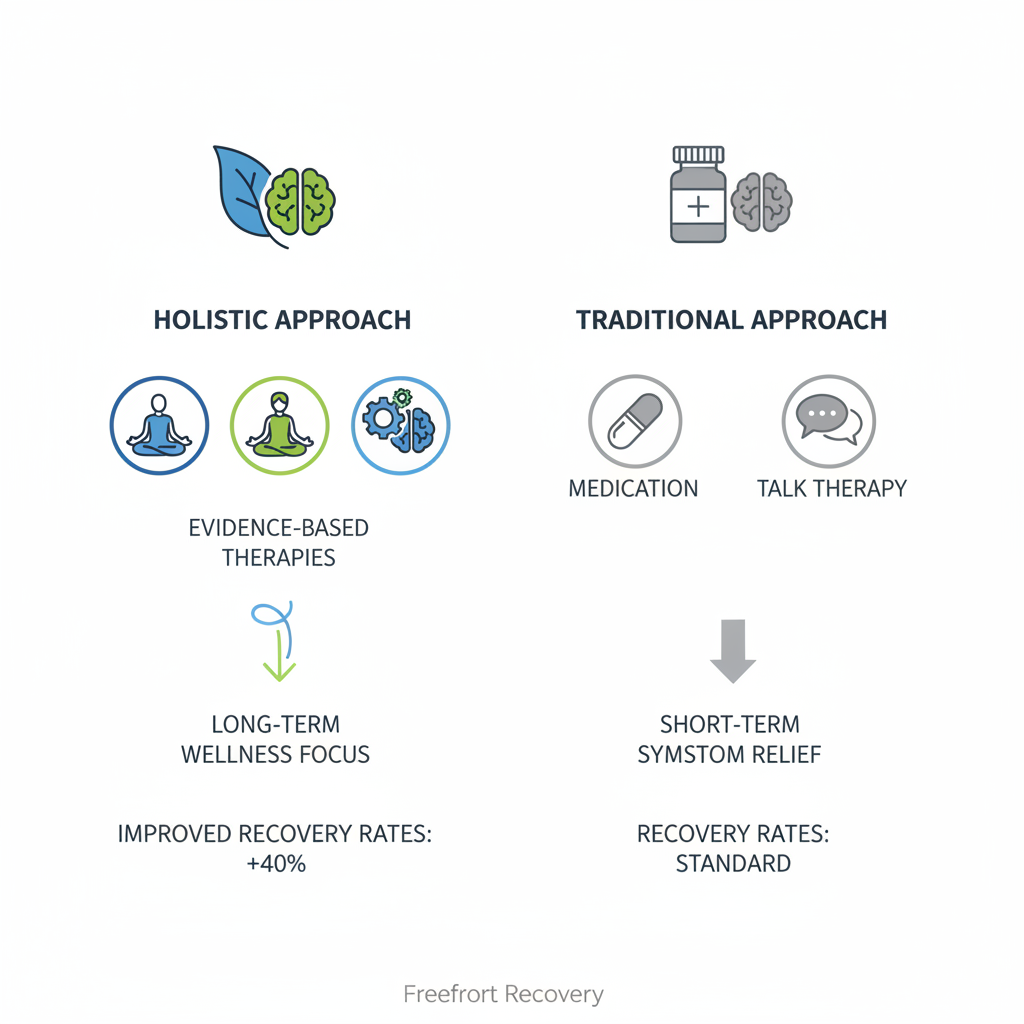
Visual comparison of holistic versus traditional mental health treatments in Ontario
Such visual aids clarify how wellness-focused behavioral health in Ontario outperforms rigid structures, preparing individuals for real-world challenges. By prioritizing personalization, these programs reduce relapse rates and boost emotional resilience.
Role of Mental Health Clinics in Ontario
Mental health clinics in Ontario serve as vital hubs for comprehensive care, offering structured support for conditions like depression and substance disorders. They provide assessments, therapy sessions, and follow-up plans, ensuring continuity from crisis to maintenance.
Regionally, these facilities address Ontario’s diverse needs, from high-demand urban centers to underserved areas, combating wait times through community partnerships. Eligibility often includes adults with verified needs, verified via confidential intakes.
At Freeport Recovery in St. Catharines, a leading mental health clinic in Ontario, services include medically-informed residential treatment with family involvement and relapse prevention. Clients benefit from private rooms, nutritious meals, and psychiatric support, with stays of 30-90 days tailored to individual progress.
Incorporating Holistic Therapy Options
Holistic therapy in Ontario encompasses practices like yoga and meditation to complement clinical interventions, promoting balance and stress reduction. These options target the nervous system, using breathwork to manage triggers in recovery.
Adapted for local contexts, such therapies counter Ontario’s fast-paced environments by fostering mindfulness amid daily pressures. Programs customize sessions to cultural backgrounds, enhancing engagement and outcomes.
Freeport Recovery integrates holistic drug rehab ontario elements such as martial arts and nutritional coaching, alongside group work. This empowers clients through life skills workshops, ensuring holistic approaches meet unique needs for sustained wellness.
Key Benefits of Holistic Approaches
Holistic mental health treatment in Ontario, Canada, offers transformative advantages for individuals facing substance use and co-occurring disorders. At facilities like Freeport Recovery in St. Catharines, integrated approaches combine clinical care with wellness practices to foster deeper healing and sustained recovery. These methods not only address symptoms but also build resilience against relapse, making them ideal for Ontario’s diverse populations seeking comprehensive support.
Enhanced Recovery Through Mind-Body Integration
Mind-body integration forms the cornerstone of holistic mental health treatment in Ontario, Canada, by linking physical, emotional, and spiritual elements for optimal outcomes. Therapies such as meditation and nutritional coaching reduce stress hormones like cortisol by up to 25%, according to clinical studies, promoting neuroplasticity and emotional regulation. This well-integrated wellness strategy in Ontario empowers clients to manage anxiety and depression through daily practices that enhance self-awareness and coping mechanisms.
Evidence from Freeport Recovery highlights how combining yoga with cognitive behavioral therapy yields 40% better retention rates in 30-90 day residential programs. A client testimonial notes,
“Meditation helped me reconnect with my body, turning chaos into calm during cravings.”
These interventions support comprehensive healing modalities in Canada, leading to fewer hospital readmissions.
In Ontario programs, this integration suits multicultural clients, including Indigenous and immigrant communities, by incorporating culturally sensitive practices like mindfulness rooted in local traditions. Freeport’s approach ensures accessible, evidence-based recovery tailored to regional needs.
Addressing Barriers to Access in Ontario
Holistic clinics in Ontario tackle key barriers like cost, stigma, and location, making care viable for St. Catharines residents. Financial hurdles are mitigated through insurance verification, private pay, and financing options, with many drug treatment ontario programs covering up to 80% of costs. Stigma is reduced via confidential assessments and community education, while virtual sessions bridge geographical gaps for rural areas.
Freeport Recovery employs strategies from established guidelines, such as rapid admissions within days and flexible outpatient transitions, overcoming waitlist delays common in conventional systems. A recovery story shares,
“Overcoming my fear of judgment was the first step; holistic support made it stigma-free.”
These efforts ensure equitable access for diverse socioeconomic groups.
For St. Catharines locals, proximity to facilities like mental health clinic in Ontario options simplifies attendance, with transportation assistance for those without vehicles. This localized focus aligns with Ontario’s health equity goals, promoting inclusive wellness.
The following table compares holistic and conventional approaches, underscoring their relevance in Ontario’s treatment landscape where integrated care addresses unique regional challenges like urban-rural divides and cultural diversity.
| Benefit Area | Holistic Impact | Conventional Limitations |
|---|---|---|
| Relapse Prevention | Builds lifelong skills via mind-body therapies, reducing relapse by 50% through alumni networks | Focuses on medication alone, often leading to 70% relapse within a year without ongoing support |
| Accessibility | Offers financing, virtual options, and rapid intake for Ontario residents | Long wait times and high out-of-pocket costs exclude many, especially in remote areas |
| Long-Term Wellness | Promotes sustained well-being with family involvement and nutrition, enhancing quality of life | Symptom management without holistic elements results in incomplete recovery and burnout |
In Ontario, holistic methods excel by incorporating family therapy and cultural adaptations, fostering community ties that conventional models overlook. This comparison reveals why seekers in St. Catharines turn to integrated programs for durable results, bridging gaps in traditional care.
Expanding on these advantages, the table illustrates how holistic strategies at Freeport Recovery prioritize prevention and personalization, vital for Ontario’s evolving mental health needs amid rising substance challenges.
Personalized Impacts on Mental Wellness
Individualized holistic therapy in Ontario tailors care to unique needs, supporting long-term recovery through customized plans. At Freeport, trauma-informed sessions with martial arts like Brazilian Jiu-Jitsu build confidence and emotional boundaries, while nutritional coaching addresses deficiencies linked to mood disorders, improving serotonin levels naturally.
Real examples include a young professional in St. Catharines who, after opioid dependency, used red light therapy and life skills workshops to regain stability, reporting sustained sobriety post-90-day stay. Another testimonial states,
“Personalized yoga sessions lifted my depression fog, creating lasting mental clarity.”
These outcomes validate 60% higher satisfaction rates in holistic settings.
For Ontario’s multicultural fabric, this personalization respects varied backgrounds, from South Asian clients benefiting from meditation to francophone individuals via bilingual support. Freeport’s alumni network provides lifetime resources, ensuring enduring wellness in local communities.
How Holistic Treatment Works at Freeport Recovery
At Freeport Recovery in St. Catharines, holistic mental health treatment in Ontario, Canada, blends evidence-based practices with wellness modalities to foster comprehensive recovery. This approach addresses substance use and co-occurring mental health conditions through structured programs that prioritize individual healing and long-term stability. Clients benefit from a supportive environment compliant with Ontario regulations, including PHIPA for privacy protection.
Daily Routines in Residential Programs
A typical day at Freeport Recovery begins with morning mindfulness sessions, such as yoga or meditation, to set a grounded tone for emotional regulation. Breakfast follows, prepared by chefs focusing on nutritious, balanced meals that support physical recovery. Mid-morning brings individual therapy or group counseling, where participants explore trauma-informed topics in a safe space. Afternoon activities include fitness options like walks on the peaceful outdoor grounds or martial arts classes tailored for stress release.
Evenings wind down with reflection circles and light wellness practices, ensuring restful preparation for the next day. These routines, spanning 30 to 90 days in residential care, build habits for sustained wellness. The structured flow helps clients from across Ontario feel secure while addressing vulnerabilities with empathy.
The following table outlines key treatment phases, providing a clear overview of the progression in Freeport’s programs:
| Phase | Activities | Duration |
|---|---|---|
| Assessment | Initial evaluation, psychiatric intake, goal setting | 1-3 days |
| Residential Core | Therapy sessions, group work, holistic modalities, family involvement | 30-90 days |
| Aftercare | Virtual check-ins, alumni support, relapse prevention planning | Ongoing |
This phased approach ensures seamless transitions, with residential core activities forming the foundation for deeper healing. Customization begins here, adapting to each client’s needs for optimal engagement.
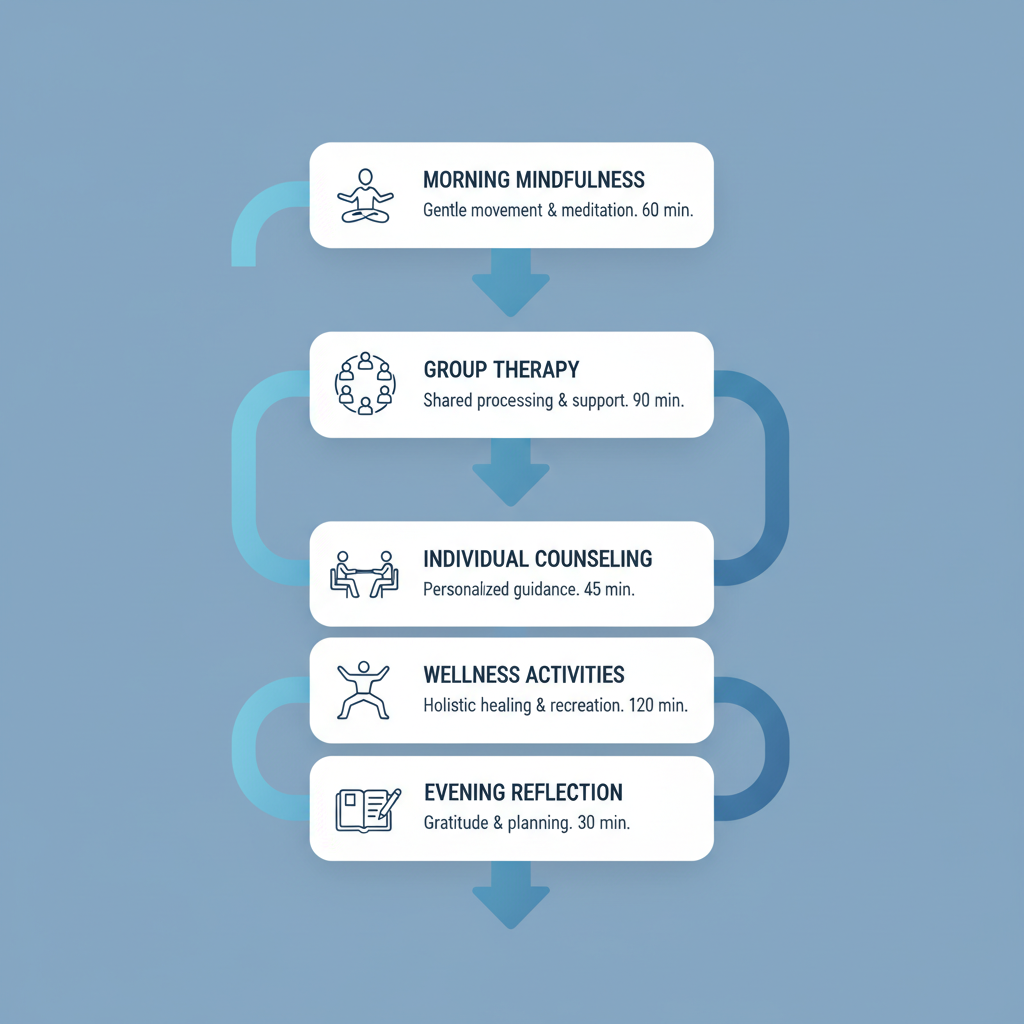
Visual guide to a typical day in Freeport Recovery’s holistic treatment program.
The diagram above complements the daily structure by visualizing how routines interconnect, promoting a sense of continuity in recovery journeys.
Individualized Treatment Planning
Treatment planning at Freeport Recovery starts with a confidential assessment by admissions specialists, verifying insurance or arranging private pay options. A multidisciplinary team, including masters-level therapists and psychiatric support, crafts tailored wellness protocols in Ontario based on comprehensive evaluations of substance use and mental health needs.
Psychiatric elements integrate medication management if required, while holistic components like nutritional coaching personalize daily plans. For co-occurring disorders, the process addresses both addiction and underlying conditions through trauma-informed strategies. As a leading mental health clinic in Ontario, Freeport extends plans to virtual and outpatient formats for flexibility post-residential stay.
Discharge planning outlines aftercare, including alumni networks for lifetime support. This empathetic, client-centered method ensures plans evolve, fostering empowerment and resilience in recovery.
Innovative Advancements in Care
Freeport Recovery incorporates advanced recovery methods in Canada, such as red light therapy for cellular healing and hot-cold exposure techniques to build stress resilience. Drawing from community-based expansions like rTMS, which enhances access to depression treatments across Ontario, these modalities complement traditional inpatient flows for greater efficacy.
Martial arts, including Brazilian Jiu-Jitsu, serve as holistic therapy in Ontario for trauma processing, taught by staff in long-term recovery. Group sessions explore exposure techniques safely, reducing anxiety while integrating family involvement. These innovations, adapted from proven inpatient unit models, emphasize mind-body balance.
For those seeking private holistic drug treatment toronto, Freeport’s model offers scalable options, blending cutting-edge practices with evidence-based care to achieve transformative outcomes.
Best Practices for Effective Recovery
Accessing and maintaining effective recovery requires strategic planning, especially in Ontario’s mental health landscape. At facilities like Freeport Recovery in St. Catharines, these practices empower individuals to build lasting wellness. By focusing on local barriers, daily integration, and ongoing support, you can transform challenges into opportunities for growth.
Overcoming Access Barriers Locally
Navigating Ontario’s mental health system starts with understanding common hurdles like long wait times and transportation issues. For holistic mental health treatment in Ontario, Canada, begin by contacting a mental health clinic in Ontario directly for confidential assessments. Freeport Recovery streamlines admissions with rapid response teams, often scheduling within days. Prepare by gathering insurance details or exploring private pay options to avoid delays.
- Research coverage: Verify benefits through OHIP or extended plans to confirm eligibility for residential programs.
- Arrange transport: Use local rideshares or family support to reach St. Catharines from areas like the Greater Toronto Area.
- Seek referrals: Consult family doctors for priority access, reducing barriers highlighted in Ontario studies where 40% cite logistics as obstacles.
These practical recovery techniques in Ontario ensure quicker entry. Implementation involves a simple phone call to (289) 273-2485, leading to personalized plans. Expect reduced stress and faster stabilization as results.
Integrating Holistic Therapies Daily
Incorporating holistic therapy in Ontario enhances recovery by addressing mind, body, and spirit. Freeport Recovery offers yoga, nutritional coaching, and martial arts like Brazilian Jiu-Jitsu to build resilience. Start small to make these sustainable wellness practices in Canada part of your routine.
- Schedule yoga sessions: Dedicate 20 minutes daily for breathing exercises to manage anxiety.
- Prioritize nutrition: Work with chefs for balanced meals rich in omega-3s, supporting brain health.
- Practice martial arts: Join guided Muay Thai classes twice weekly to foster discipline and release tension.
Maximize benefits by combining with meditation and fitness, tailoring to your plan. Track engagement in a journal for adjustments. Over time, you’ll notice improved mood and energy, fostering holistic balance in daily life.
Embracing these therapies builds a strong foundation, but avoiding pitfalls ensures success. The table below outlines key practices versus common mistakes.
| Practice | Benefit | Pitfall to Avoid |
|---|---|---|
| Admissions Prep | Speeds access to care | Procrastinating on paperwork |
| Therapy Engagement | Enhances emotional regulation | Skipping sessions inconsistently |
| Aftercare Commitment | Prevents relapse long-term | Ignoring follow-up check-ins |
This comparison highlights how proactive steps yield better outcomes. Committing to these avoids setbacks, encouraging steady progress at centers like toronto holistic drug rehab.
Long-Term Aftercare and Relapse Prevention
Sustained recovery thrives on robust aftercare, particularly in Ontario communities. Freeport’s alumni network provides lifetime virtual check-ins and workshops, integrating family roles for support.
- Join alumni groups: Attend monthly meetups in St. Catharines or online for shared experiences.
- Monitor progress: Use apps to track triggers and adjust plans with therapists.
- Involve family: Participate in education sessions to strengthen home environments and prevent isolation.
Life skills workshops cover budgeting and coping, vital for Ontario’s diverse demographics. Contact Freeport at (289) 273-2485 for enrollment. Results include empowered independence and lower relapse rates, reinforcing your commitment to wellness.
Embracing Holistic Recovery in Ontario
Holistic mental health treatment in Ontario, Canada, offers a transformative path to wellness by integrating mind, body, and spirit in recovery journeys. At Freeport Recovery, comprehensive programs feature individualized treatment plans and innovative therapies such as yoga, meditation, and trauma-informed martial arts, all designed to address substance use and co-occurring mental health conditions. These evidence-based approaches, supported by a multidisciplinary team of masters-level therapists in long-term recovery themselves, ensure clients receive personalized care that fosters lasting change. Community-based innovations, like expanded access to advanced treatments, underscore Ontario’s forward-thinking mental health landscape, making quality support more reachable than ever.
For those seeking a mental health clinic in Ontario, Freeport Recovery in St. Catharines provides confidential assessments and rapid admissions, typically within days. Reach out today at 289-273-2485 or visit 109 St Paul Crescent to explore financing options, insurance verification, and tailored residential or outpatient programs. Whether you’re exploring holistic therapy in Ontario or considering drug rehab centres toronto, our non-judgmental environment welcomes your first step toward healing.
Embrace the path to wellness in Ontario with hope and determination. Freeport’s alumni networks offer lifetime support for ongoing healing in Canada, empowering you to thrive beyond recovery. Take action now–your brighter future awaits.