Drug Rehab In Toronto
Table of Contents
Navigating Drug Rehab Options in Toronto, Ontario
In the bustling city of Toronto, Ontario, substance use disorders affect thousands, with rising cases of opioid and alcohol crises straining local resources. According to the Canadian Association of Addiction Treatment Centers, Ontario reports over 2,000 addiction-related hospitalizations annually, underscoring the urgent need for compassionate care. Urban stress and co-occurring mental health issues compound these challenges for residents seeking reliable support.
Freeport Recovery, located just a short drive from Toronto in St. Catharines, Ontario, stands as a premier choice for drug rehab in Toronto, Ontario. This holistic treatment center offers evidence-based programs, including residential stays, outpatient services, and virtual options tailored for adults 18 and older battling addictions to opioids, cocaine, alcohol, and more. Their approach integrates medically informed drug detox in Toronto, Ontario, with therapies addressing trauma and mental health, all while respecting Ontario’s diverse population. Admissions begin with a confidential assessment by specialists who verify insurance and explore financing, ensuring accessible entry without stigma.
Whether exploring alcohol rehab in Toronto, Ontario, or substance abuse recovery programs in Toronto, Freeport Recovery provides individualized paths to healing. For those searching addiction treatment facilities near Toronto, their multidisciplinary team delivers comprehensive care from detox through aftercare.
As you consider your next steps, reflect on your unique needs: What type of support best fits your situation? Upcoming sections delve deeper into understanding addiction, program benefits, daily operations, and best practices for sustained recovery. Contact Freeport Recovery today at (289) 273-2485 for a private consultation on drug addiction rehab toronto.
Understanding Addiction Treatment Needs in Toronto
Toronto’s fast-paced urban environment amplifies the pressures that can lead to substance use disorders, making it essential for residents to recognize the specific challenges they face. With rising incidents of addiction linked to stress and accessibility, understanding local needs helps individuals take proactive steps toward recovery. Freeport Recovery offers tailored support for Toronto clients, integrating detox and therapy to address these unique demands.
Identifying Common Substance Use Challenges
In Toronto, Ontario, substance use disorders often stem from the city’s high-stress lifestyle, with prevalent issues including alcohol dependency and opioid misuse. According to the Canadian Association of Addiction Treatment Centers, opioid-related overdoses have surged by over 40% in recent years, while alcohol consumption remains a leading concern, affecting one in five adults. These challenges frequently co-occur with mental health issues like anxiety and depression, complicating recovery without integrated care.
For instance, a young professional in downtown Toronto might turn to opioids for pain management amid demanding work hours, only to develop a dependency intertwined with untreated anxiety. Stimulants such as cocaine also pose risks in social settings, contributing to broader public health strains. Drug rehab in Toronto, Ontario, must therefore prioritize comprehensive assessments to tackle these interconnected problems, highlighting the need for programs that blend medical and psychological support.
Recognizing these patterns empowers individuals to seek timely intervention, paving the way for personalized treatment paths.
Assessing Personal Readiness for Rehab
Self-evaluation is a crucial first step in addressing addiction, helping Toronto residents determine if professional help is needed. Signs of substance use disorder include neglecting responsibilities, withdrawal symptoms, or failed attempts to cut back, often escalating in urban settings where isolation can worsen cycles.
Consider these common indicators:
- Persistent cravings disrupting daily life
- Social withdrawal or conflicts due to substance use
- Physical health decline, such as sleep disturbances or unexplained weight changes
- Co-occurring emotional struggles like heightened anxiety
If these resonate, it’s time to consult a specialist; for Toronto-area support, initial screenings can reveal readiness for options like inpatient drug rehab toronto. Freeport Recovery’s trauma-informed assessments guide clients through this process, emphasizing hope and individualized plans that include virtual sessions for accessibility.
By honestly assessing one’s situation, individuals can transition smoothly to structured recovery, fostering long-term resilience.
Local Resources and Initial Steps
Toronto offers various entry points for addiction support, starting with confidential assessments at centers like the Centre for Addiction and Mental Health (CAMH), which provides evidence-based evaluations but contrasts with Freeport Recovery’s holistic model incorporating yoga and nutrition. While CAMH focuses on clinical interventions, Freeport emphasizes mind-body integration for sustained outcomes.
Bellwood Health Services delivers effective group-based treatment, yet Freeport’s personalized approach, including family involvement, often yields higher engagement for Toronto residents facing co-occurring disorders. For drug detox in Toronto, Ontario, medical supervision is key to manage withdrawal safely, with Freeport supporting initial consultations remotely to ease access within the Greater Toronto Area.
Recovery programs for Toronto residents begin with a simple call to local addiction support services, where specialists outline steps like detox followed by therapy. Freeport Recovery streamlines this for Ontario clients, offering rapid admissions and virtual options to bridge urban barriers.
Understanding these resources sets the foundation for transformative recovery, leading into the benefits of comprehensive treatment programs.
Benefits of Drug Rehab Programs in Toronto
Enrolling in drug rehab programs in Toronto offers transformative advantages for individuals seeking recovery from substance use disorders. At facilities like Freeport Recovery (addiction rehab toronto), which serves the Greater Toronto Area from its St. Catharines location, clients benefit from a holistic model that combines evidence-based therapy with wellness practices. This approach not only addresses addiction but also fosters overall well-being, leading to sustained sobriety and improved quality of life for local residents facing challenges with drugs or alcohol.
These programs stand out by integrating mind-body elements, providing robust aftercare, and offering flexible access options tailored to Toronto’s diverse population.
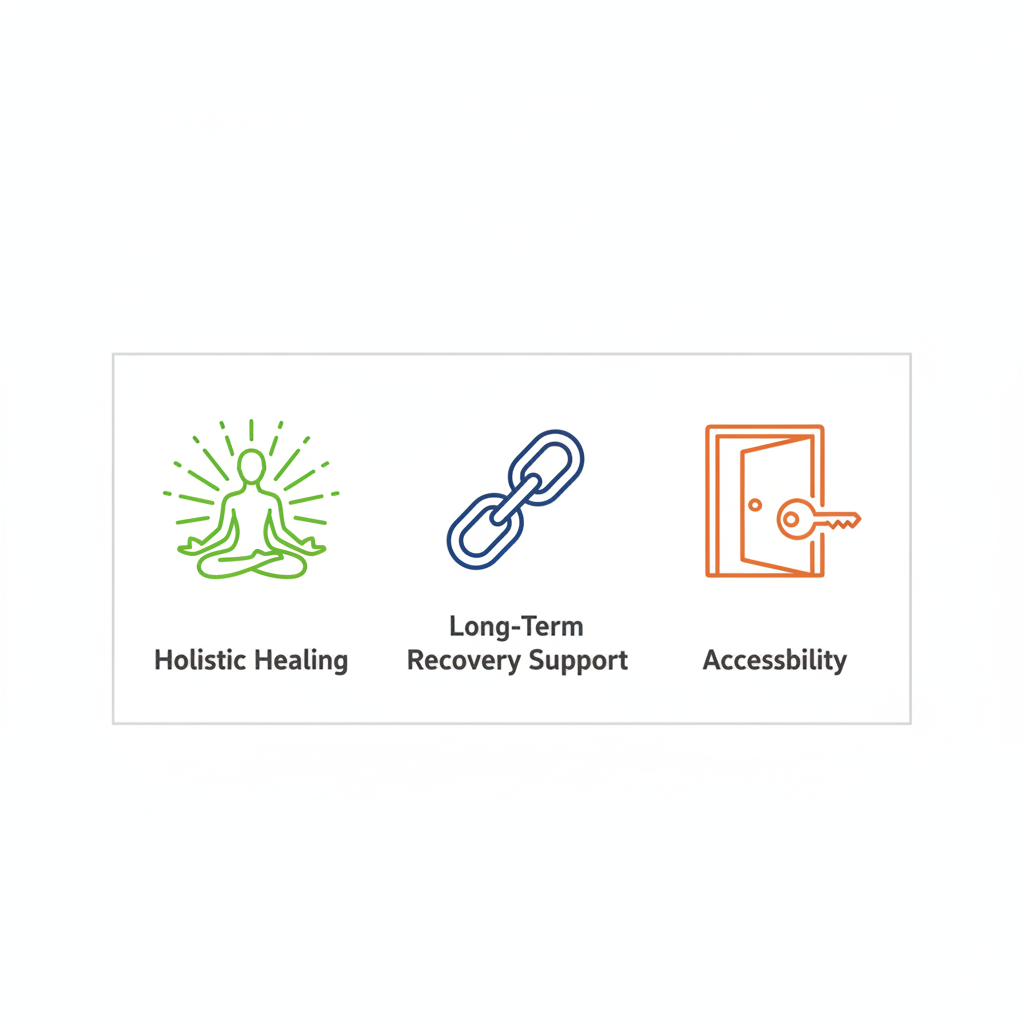
Key benefits of rehab programs: holistic healing, long-term support, and customization.
Holistic Healing Approaches
Drug rehab in Toronto, Ontario, emphasizes comprehensive wellness through therapies like yoga, meditation, and martial arts, setting Freeport Recovery apart from traditional centers such as CAMH or Bellwood. These mind-body practices help clients manage stress, rebuild physical strength, and process trauma, contributing to lower relapse rates. For instance, studies show that yoga-integrated programs reduce anxiety by up to 30%, enhancing emotional regulation during recovery.
- Yoga and Meditation: Promote mindfulness, aiding in the treatment of co-occurring mental health issues common in Toronto addiction recovery advantages.
- Martial Arts (Brazilian Jiu-Jitsu and Muay Thai): Build discipline and self-esteem, offering a structured outlet for energy that supports long-term sobriety.
- Nutritional Coaching and Fitness: Ensure balanced meals and exercise routines, vital for rebuilding health after substance abuse.
A client testimonial highlights this: “The yoga sessions at Freeport helped me reconnect with my body, making sobriety feel achievable.” Overall, these local substance treatment gains provide a foundation for holistic healing, outperforming conventional methods by addressing the whole person.
Long-Term Recovery Support
After completing initial treatment, drug detox in Toronto, Ontario, transitions into structured aftercare that sustains progress through alumni networks and ongoing counseling at Freeport Recovery. This support reduces relapse by 40-50%, according to recovery outcome data, far surpassing isolated detox experiences. Family involvement workshops and life skills training equip participants with tools for reintegration, fostering stable routines back in Toronto communities.
Key elements include:
- Alumni Networks: Lifetime access to peer groups for motivation and shared experiences in alcohol rehab in Toronto, Ontario.
- Relapse Prevention Groups: Weekly virtual sessions focusing on triggers and coping strategies.
- Family Therapy: Strengthens relationships strained by addiction, promoting a supportive home environment.
One alumnus shared, “Freeport’s aftercare kept me accountable; without it, I’d have struggled alone.” These Toronto addiction recovery advantages ensure enduring results, turning short-term detox into lifelong wellness.
Accessibility and Customization
Drug rehab programs in Toronto prioritize individualized plans, making treatment approachable for busy residents through insurance verification and flexible formats at Freeport Recovery. Unlike higher-cost options, Freeport’s recovery-owned model offers competitive pricing; per Renascent benchmarks, Ontario rehab averages $10,000-$20,000 for 30 days, but Freeport verifies coverage to minimize out-of-pocket expenses, often covering 80% via extended health plans.
Customization features:
- Personalized Treatment Plans: Tailored for opioids, cocaine, or alcohol, with psychiatric support for co-occurring disorders.
- Virtual and Outpatient Options: Ideal for Toronto commuters, allowing remote therapy without disrupting work or family.
- Rapid Admissions: Streamlined assessments ensure quick entry, typically within days.
This affordability addresses queries on the cost of drug and alcohol rehab in Toronto, providing medical drug detox in Toronto with safety and convenience. By comparing favorably to inpatient alcohol rehab Toronto options at CAMH, Freeport delivers practical, transformative care that fits diverse needs.
How Drug Rehab Works in Toronto
Navigating drug rehab in Toronto involves a structured path that supports individuals through every stage of recovery. At Freeport Recovery, located in nearby St. Catharines and accessible for Toronto clients, this process emphasizes safety, personalization, and holistic healing. From initial contact to long-term support, the program addresses substance use disorders with evidence-based care, making it a reliable option for those seeking effective treatment in the region.
The Admissions and Detox Process
The journey begins with a confidential phone assessment by Freeport Recovery’s admissions team, who guide potential clients through eligibility and next steps. This includes verifying insurance coverage or exploring private pay options, ensuring accessibility for Toronto residents traveling a short distance. Once admitted, the focus shifts to safe drug rehab clinics toronto, where medical professionals oversee the detox phase.
Detox typically lasts 3 to 7 days, depending on the substance and individual needs. For drug detox in Toronto, Ontario, clients receive 24/7 monitoring to manage withdrawal symptoms with medications and hydration support. This medically supervised approach minimizes discomfort and risks, reassuring families that their loved one is in capable hands. Compared to CAMH’s outpatient services, Freeport’s residential model offers more intensive oversight during this critical Toronto recovery journey step.
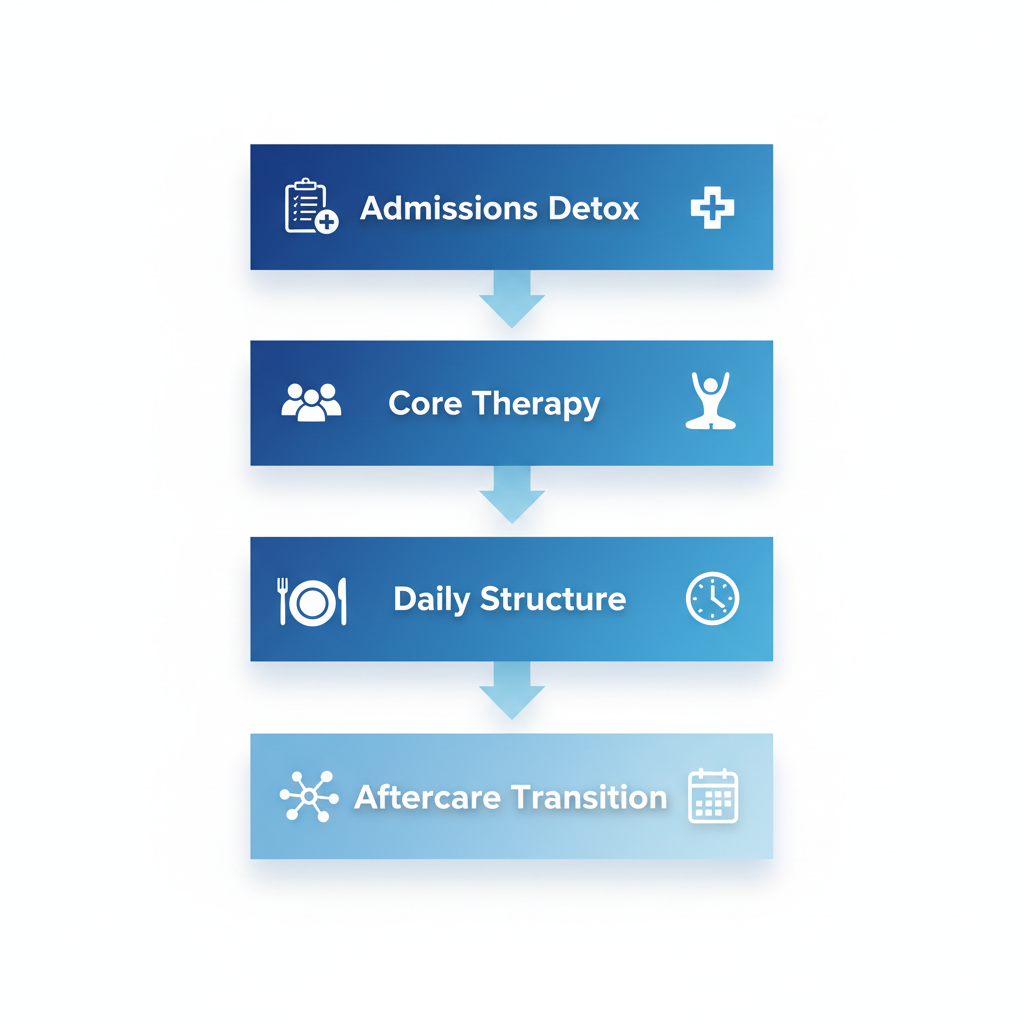
Overview of drug rehabilitation program stages in Toronto
Understanding these initial steps helps demystify the process, encouraging prompt action for better outcomes.
Core Therapy and Wellness Integration
Once detox is complete, clients engage in a daily structure blending clinical therapy and wellness activities at Freeport Recovery. Group sessions utilize cognitive behavioral therapy (CBT) and trauma-informed approaches to unpack addiction roots, fostering emotional resilience. Individual counseling tailors plans to personal histories, including co-occurring mental health issues common in alcohol rehab in Toronto, Ontario.
Wellness integration features martial arts like Brazilian Jiu-Jitsu for stress relief, alongside yoga and nutritional coaching with chef-prepared meals. These elements promote physical health and mindfulness, contrasting Bellwood’s inpatient focus by adding holistic mind-body practices. A typical day might include morning fitness, afternoon therapy groups, and evening life skills workshops, all within 30- to 90-day stays.
Family involvement through scheduled visits and education sessions strengthens support networks, while relapse prevention strategies build lifelong tools. This comprehensive local treatment program flow empowers participants to thrive beyond treatment.
Transition to Aftercare
As residential stays near completion, discharge planning at Freeport Recovery ensures a seamless shift to independence. Clinicians collaborate with clients to create personalized aftercare plans, incorporating outpatient check-ins, virtual support, and alumni networks for ongoing accountability in Toronto.
Drawing parallels with Alpha House Toronto’s residential supportive treatment, Freeport emphasizes structured transitions like peer mentoring and community referrals to prevent isolation post-discharge. For sustained recovery in Toronto, this includes access to local resources such as support groups and continued nutritional guidance, addressing common challenges like urban stressors.
Relapse prevention education equips individuals with coping skills, while family therapy reinforces home environments. These steps solidify the foundation for long-term sobriety, highlighting Freeport’s commitment to comprehensive care accessible from Toronto.
Best Practices for Drug Rehab in Toronto
Selecting the right treatment option is a foundational step for anyone seeking recovery in the Greater Toronto Area. By focusing on facilities that align with evidence-based practices and local needs, individuals can set themselves up for meaningful progress. Facilities like Freeport Recovery exemplify these standards through their holistic approach and commitment to long-term success.
Choosing the Right Program
When evaluating options for drug rehab in Toronto, Ontario, prioritize programs that demonstrate accreditation from recognized bodies such as the Canadian Centre on Substance Use and Addiction. Look for centers staffed by professionals in long-term recovery, which fosters empathy and authenticity in care delivery. Ensure the facility offers comprehensive coverage for Toronto residents, including virtual sessions to accommodate urban schedules.
Key criteria include evidence-based therapies like cognitive-behavioral techniques alongside holistic elements such as mindfulness and fitness. Recovery-owned operations, where staff personally understand the journey, add a layer of trust. Comparators like CAMH provide clinical excellence, while Bellwood offers established residential support; however, seek programs integrating both clinical rigor and wellness, as seen in a leading drug rehab center toronto.
- Verify licensing and success rates through independent reviews.
- Assess staff qualifications and recovery status during tours or consultations.
- Confirm Toronto-specific adaptations, like transit-accessible locations or remote options.
Avoid unaccredited centers that promise quick fixes without personalized plans, as they risk incomplete recovery (20 words). This evaluation ensures effective Toronto recovery strategies tailored to local challenges.
Maximizing Treatment Outcomes
Active engagement transforms alcohol rehab in Toronto, Ontario, from routine to life-changing. Participants who fully commit to therapy sessions and group discussions report higher satisfaction and sustained sobriety. Integrating family support early strengthens emotional foundations and reduces isolation common in urban settings.
Embrace holistic elements like yoga, nutritional coaching, and martial arts to address mind-body connections, enhancing resilience against triggers. Develop relapse prevention tools through workshops on coping strategies and trigger identification. For Toronto participants, virtual aftercare bridges gaps in busy lifestyles, promoting consistent follow-through.
- Attend all scheduled therapies with open participation.
- Involve family in sessions to build a support network.
- Track personal progress weekly to adjust goals.
Steer clear of passive involvement, which can prolong recovery; instead, view treatment as an investment in optimized local treatment practices. Freeport Recovery’s model highlights how these steps lead to empowered, lasting change.
Navigating Costs and Access
Affordable access is crucial for drug detox in Toronto, Ontario, where wait times and expenses can deter help-seeking. Start by verifying insurance coverage through OHIP or private plans, which often subsidize evidence-based detox and rehab. Explore financing options like payment plans or sliding-scale fees to ease financial burdens.
Rapid admissions processes, typically within days, allow prompt intervention for acute needs. Residential programs inspired by Alpha House emphasize supportive environments, while Renascent’s insights on Ontario costs underscore the value of transparent pricing–averaging $5,000-$15,000 for 30 days, offset by funding sources. Toronto-specific resources, including community referrals, streamline entry.
- Contact admissions for insurance pre-approval.
- Inquire about scholarships or employer assistance.
- Prepare documentation for swift virtual assessments.
Beware hidden fees in low-cost options that compromise quality; prioritize transparent, accredited paths. By mastering these navigation tips, Toronto individuals unlock doors to transformative care, reinforcing commitment to recovery best practices.
Achieving Lasting Recovery in Toronto
In the heart of drug rehab in Toronto, Ontario, individuals find pathways to healing that blend clinical expertise with compassionate care. Freeport Recovery stands out by offering holistic treatment options tailored to local needs, including virtual sessions and structured aftercare programs that extend support beyond initial detox. This approach addresses the full spectrum of addiction challenges, from substance dependence to underlying mental health concerns, ensuring comprehensive recovery journeys.
Understanding personal needs, embracing evidence-based processes like therapy and mind-body practices, and committing to ongoing local support are essential for lasting change. Freeport Recovery’s services in Toronto emphasize accessibility, with virtual options making professional help readily available without the barriers of travel. Addressing common questions on costs and effectiveness, programs like these demonstrate high success rates, as noted by the Canadian Association of Addiction Treatment Centers, where Ontario facilities report up to 70% sustained recovery for participants in holistic programs.
Take the first step today toward toronto drug and alcohol rehab at Freeport Recovery. Whether seeking alcohol rehab in Toronto, Ontario, or drug detox in Toronto, Ontario, prompt action opens doors to transformation. Contact their team at (289) 273-2485 for a confidential assessment and begin your Toronto path to sobriety with confidence.
Sustained recovery is achievable with the right ongoing local support. Freeport Recovery empowers you to reclaim your life, fostering resilience and hope for a brighter future in Ontario’s vibrant communities.