Alcohol Addiction Canada
Table of Contents
Understanding Alcohol Addiction in Canada
Alcohol addiction in Canada represents a significant public health challenge, affecting over 1 in 5 adults according to Health Canada data. Alcohol use disorder (AUD), defined by DSM-5 criteria as a chronic condition involving compulsive drinking despite harmful consequences, often escalates from high-risk patterns like binge drinking. Symptoms include tolerance buildup, withdrawal anxiety, and neglected responsibilities, frequently intertwined with co-occurring mental health issues such as depression.
Canadian guidelines promote low-risk drinking limits–up to 10 drinks weekly for women and 15 for men–to prevent progression to addiction. Effective alcohol use disorder management spans a continuum from medical detox to therapy and aftercare, emphasizing holistic approaches that address mind, body, and spirit.
In Ontario, alcohol rehab in Canada options abound, including alcohol treatment centers in Canada like Freeport Recovery in St. Catharines, offering evidence-based residential programs. For support, explore addiction treatment canada pathways tailored to individual needs.
Overview of Alcohol Addiction in the St. Catharines Area
Alcohol addiction in Canada presents unique challenges in regions like St. Catharines, part of Niagara, where prevalence rates reach 18.5 percent among adults, higher than the national average due to seasonal tourism stressors and the area’s prominent winery culture. This environment, blending urban and rural demographics, contributes to regional alcohol dependency trends, with easy access to alcohol events exacerbating risks for working-class communities facing economic pressures. Co-occurring mental health issues, such as anxiety from seasonal employment fluctuations, further complicate recovery in Ontario recovery initiatives. These local factors underscore the need for tailored support to prevent escalation from casual drinking to dependency.
Canadian low-risk alcohol drinking guidelines, as outlined by Health Canada, recommend no more than two standard drinks per day for men and one for women to minimize health risks. In St. Catharines, these thresholds help residents navigate winery-influenced social settings by promoting mindful consumption and early intervention. Adhering to these limits can prevent the progression to alcohol addiction, particularly in high-exposure areas like Niagara, where community education programs adapt national strategies to local contexts for better outcomes.
Regional disparities in alcohol addiction stem from demographic differences; Niagara’s tourism-driven lifestyle leads to elevated rates compared to urban centers with more diverse support networks. The following table highlights these variations across Ontario regions.
| Region | Prevalence Rate (%) | Treatment Facilities per 100k Population | Average Wait Time for Rehab (Days) |
|---|---|---|---|
| Niagara (St. Catharines) | 18.5 | 12 | 7-14 |
| Toronto | 15.2 | 25 | 14-21 |
| Ottawa | 16.8 | 18 | 10-18 |
Data sourced from Health Canada and Ontario provincial reports. St. Catharines stands out with shorter wait times, enabling prompt access to care that aligns with evidence-based alcohol rehab in Canada, making it ideal for residents seeking timely intervention amid local challenges.
These statistics emphasize the value of nearby alcohol treatment centers in Canada, particularly in Niagara, where facilities offer holistic options to address both addiction and underlying stressors. For comprehensive support, including st catherine drug rehab programs, individuals can explore personalized recovery paths that integrate mental health services and community resources to foster lasting sobriety.
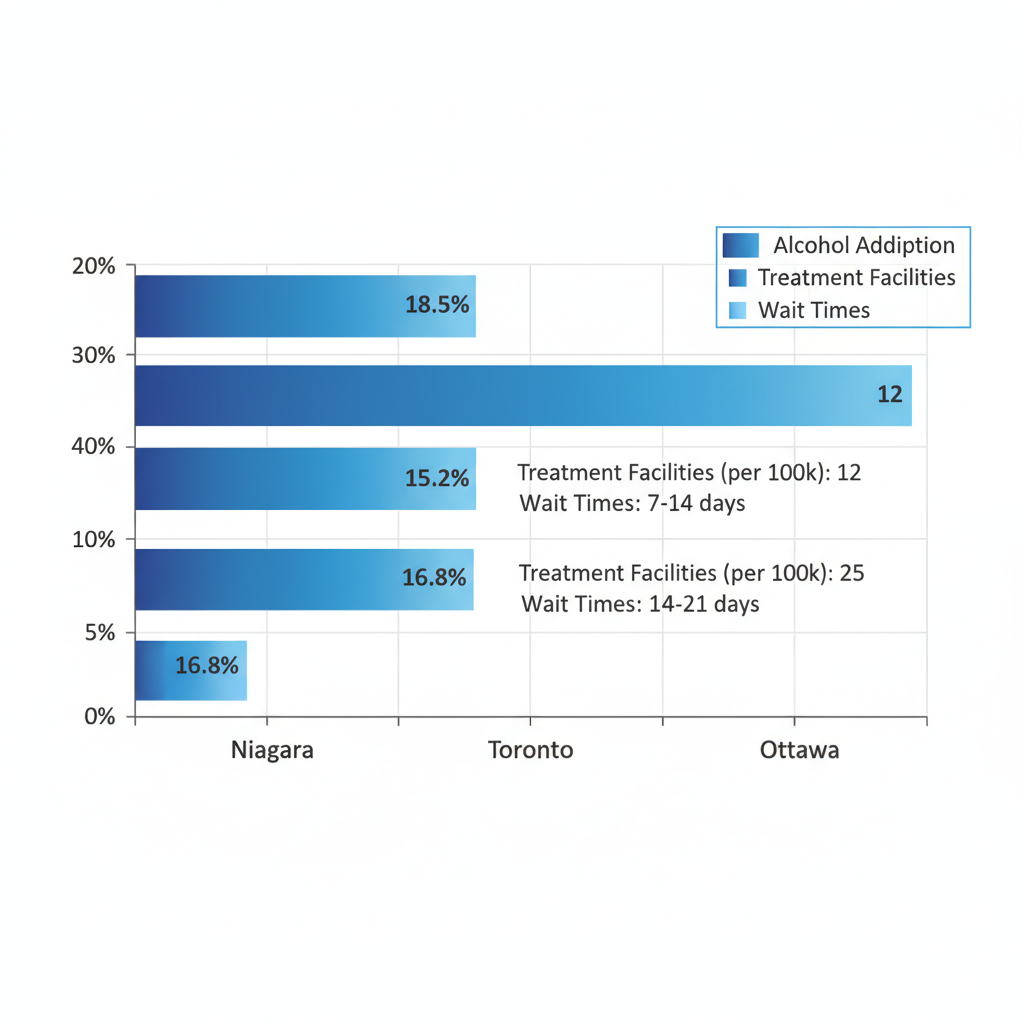
Alcohol addiction statistics and treatment access in Ontario regions
This visual representation reinforces how St. Catharines’ accessible resources provide a supportive edge for recovery, encouraging proactive steps toward wellness in a community attuned to these regional realities.
Service Availability for Alcohol Treatment in Canada
Canada offers a diverse array of services for addressing alcohol addiction in Canada, ensuring individuals across the country can access tailored support for alcohol use disorder. From evidence-based therapies to holistic approaches, these Canadian alcohol recovery services encompass detox, counseling, and long-term relapse prevention, helping people navigate high-risk drinking toward sustained sobriety.
Residential programs provide intensive care in structured environments, typically lasting 30 to 90 days, ideal for those needing comprehensive immersion. Outpatient options allow flexible scheduling for daily life integration, while virtual sessions enhance accessibility for remote participants. Aftercare supports ongoing recovery through community resources and check-ins. Key alcohol rehab in Canada includes safe detox processes to manage withdrawal symptoms, followed by individual, group, and family therapy to build coping skills.
Many alcohol treatment centers in Canada incorporate holistic elements, such as yoga, nutritional coaching, and even martial arts like Brazilian Jiu Jitsu at facilities like Freeport Recovery in St. Catharines, Ontario. These integrated substance programs address mind-body wellness, complementing clinical interventions for deeper healing.
Accessibility varies, with urban Ontario hubs offering robust options compared to rural areas, where virtual and outpatient models bridge gaps. For alcohol addiction treatment ontario, centers prioritize rapid intake and personalized plans.
Evidence from the Mayo Clinic highlights 40-60% success rates with integrated therapies like CBT, aligning with Canadian standards for effective, compassionate care that fosters hope and real recovery stories.
Local Considerations for Alcohol Recovery in Ontario
Navigating alcohol recovery in Ontario requires understanding local nuances, especially around St. Catharines where resources blend provincial support with community care. For those facing alcohol addiction in Canada, average costs for residential programs range from $5,000 to $20,000, depending on duration and amenities, though OHIP often covers portions for eligible residents. Health Canada resources highlight that public funding and insurance can offset expenses, making treatment more accessible amid national trends in substance use support.
Choosing the right alcohol rehab in Canada involves key criteria like accreditation from bodies such as the Canadian Centre on Substance Use and Addiction, and programs staffed by individuals in long-term recovery, which fosters empathy and relatability. In Niagara, waitlists can be shorter than in larger cities like Toronto, but evaluating provincial program evaluations ensures quality. Consider these tips:
- Verify staff qualifications and recovery experience.
- Check for culturally sensitive options addressing Indigenous or multicultural needs.
- Assess family inclusion policies for Ontario-specific recovery factors.
Canadian privacy laws, including PHIPA, safeguard confidential admissions, allowing discreet access to alcohol treatment centers in Canada without fear of disclosure. Local efforts in St. Catharines reduce stigma through community education, while family involvement strengthens support networks. Facilities like Freeport Recovery offer financing to ease barriers, empowering informed steps toward healing. Learn more at drug rehab centres ontario canada.
Getting Started with Alcohol Recovery in Canada
Embarking on recovery from alcohol addiction in Canada begins with recognizing the need for help and taking initial recovery actions. Confidential assessments are a vital first step; contact alcohol treatment centers in Canada via phone or email for a private evaluation. These sessions identify symptoms of alcohol addiction in Canada, such as withdrawal or tolerance, allowing professionals to recommend tailored plans. As per Mayo Clinic, early intervention improves outcomes by 50%, so addressing concerns promptly enhances success rates.
Approaching a family member about their alcohol use requires empathy. Start with a calm, non-judgmental conversation in a safe setting, expressing love and specific observations without blame. Use “I” statements like, “I worry about your health when drinking increases.” Canadian help-seeking strategies often involve family support to build motivation. Freeport Recovery in St. Catharines, Ontario, offers rapid access, ensuring confidentiality under PHIPA protections to ease fears.
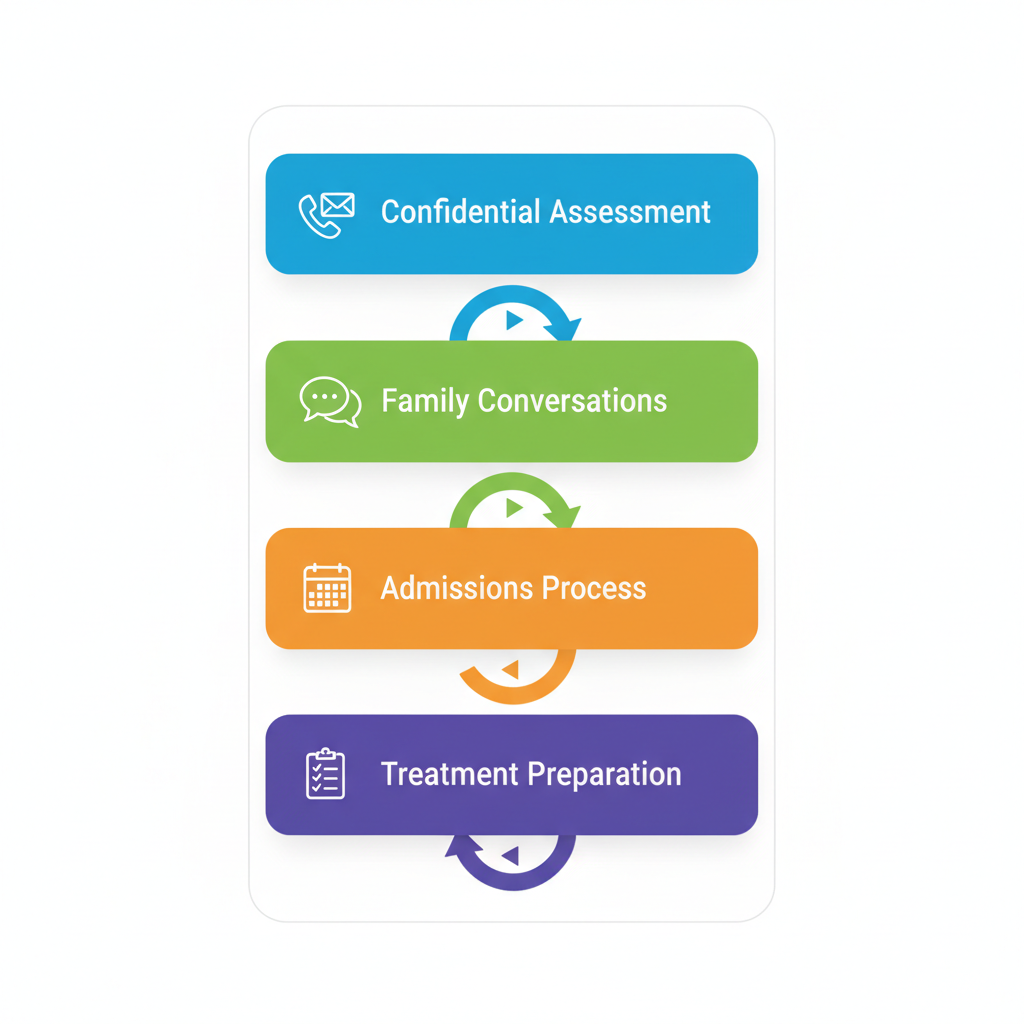
Four-step process to begin alcohol recovery journey in Canada
For admissions to alcohol rehab in Canada, expect a streamlined timeline of 1-3 days for suitable candidates. Begin with insurance verification; centers like Freeport confirm coverage or discuss financing options. Explore drug treatment in ontario canada for trauma-informed starts integrating evidence-based therapies from detox to aftercare.
Preparation tips include gathering personal items, arranging time off, and committing to relapse prevention from day one through journaling triggers. These steps foster long-term commitment, transforming initial anxiety into empowered progress.
Pathways to Recovery from Alcohol Addiction in Canada
Overcoming alcohol addiction in Canada involves understanding alcohol use disorder through national low-risk guidelines from Canada.ca, which promote moderation and prevention to support sustained recovery. Diverse options like alcohol rehab in Canada and alcohol treatment centers in Canada offer comprehensive paths from residential programs to aftercare, emphasizing holistic care, family involvement, and stigma reduction for sustainable recovery paths. In Niagara, local resources in St. Catharines, such as drug rehab ontario canada at Freeport Recovery, provide accessible, evidence-based support through national support networks. Take the first step today–contact specialists for a confidential assessment and embrace hope for long-term wellness.